The TravelNode Stories
Real places. Real experiences. No sponsored fluff written by travellers who know what the guidebooks miss.
Stories
Every destination has a version the guidebooks miss. We find it for you.
Sri Lanka is a short flight from parts of south India and currently one of the least complicated international trips available to an Indian passport holder. The temptation is to try to see all of it in a week. Resist that. The island is compact on a map and slow
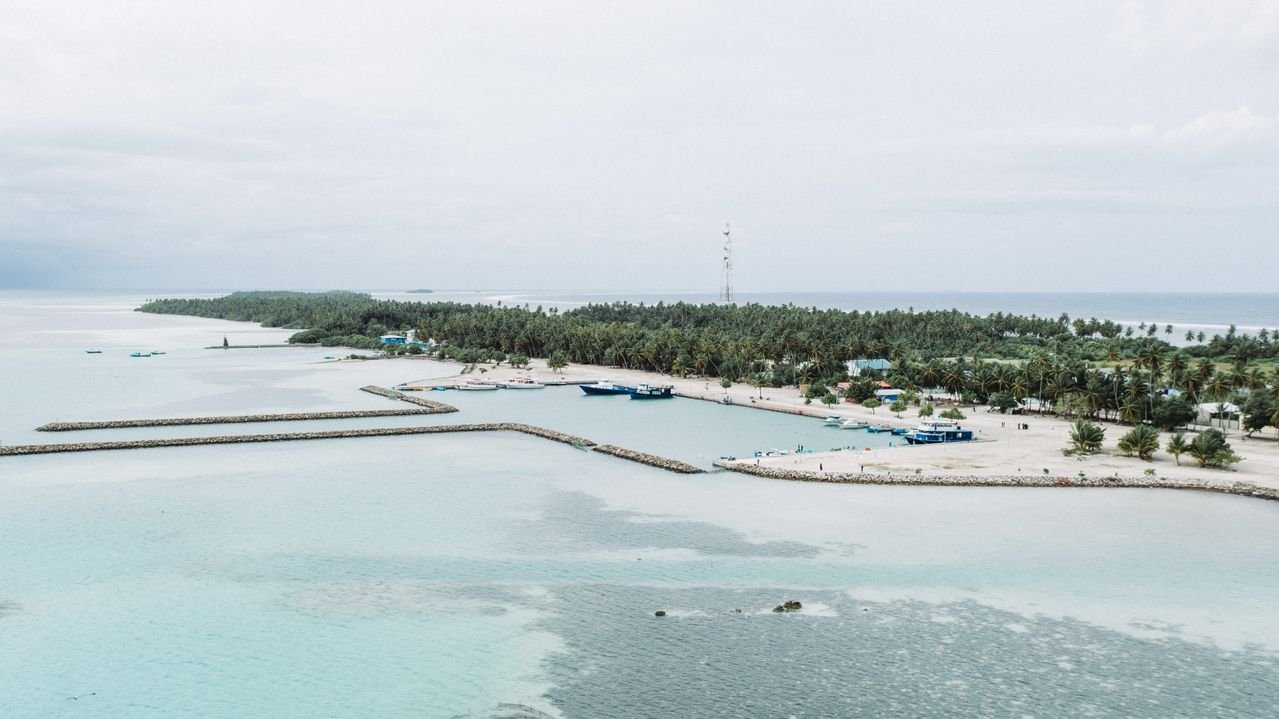
Lakshadweep gets compared to the Maldives constantly, and the comparison is not useful. The Maldives is a tourism industry with an archipelago attached. Lakshadweep is an archipelago with a very small, very regulated tourism footprint. That is the whole appeal, and also the reason it takes planning. Here is what
Hampi is unusual among great archaeological sites because its destruction has a date. Vijayanagara was the capital of the last great Hindu empire of southern India, founded in 1336 by the brothers Harihara and Bukka. By the early sixteenth century it had grown into one of the largest and wealthiest
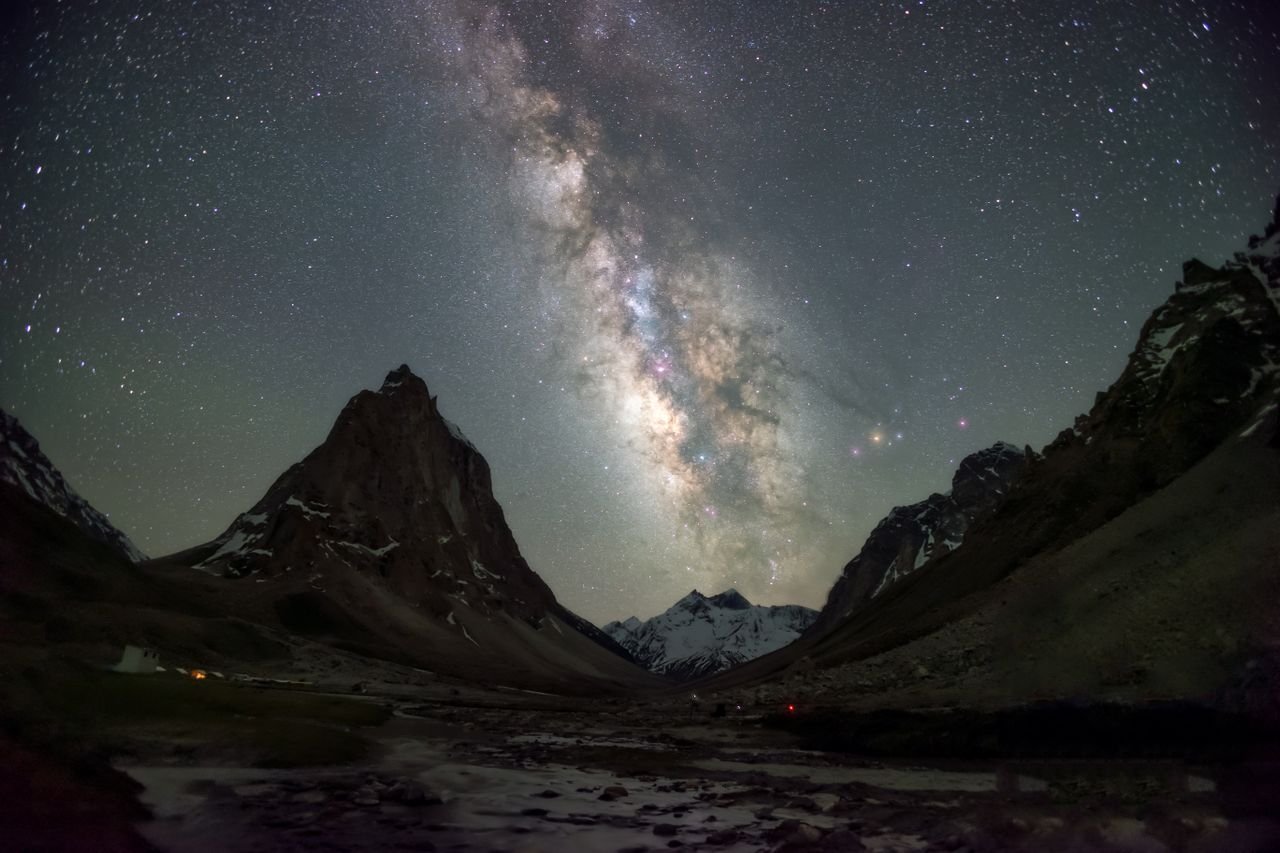
There is a point in eastern Ladakh where the Milky Way is bright enough to throw a shadow. Hanle sits at around 4,500 metres on the Changthang plateau, inside a cold desert wildlife sanctuary, close to the border. It was known for two things for most of its history: pashmina
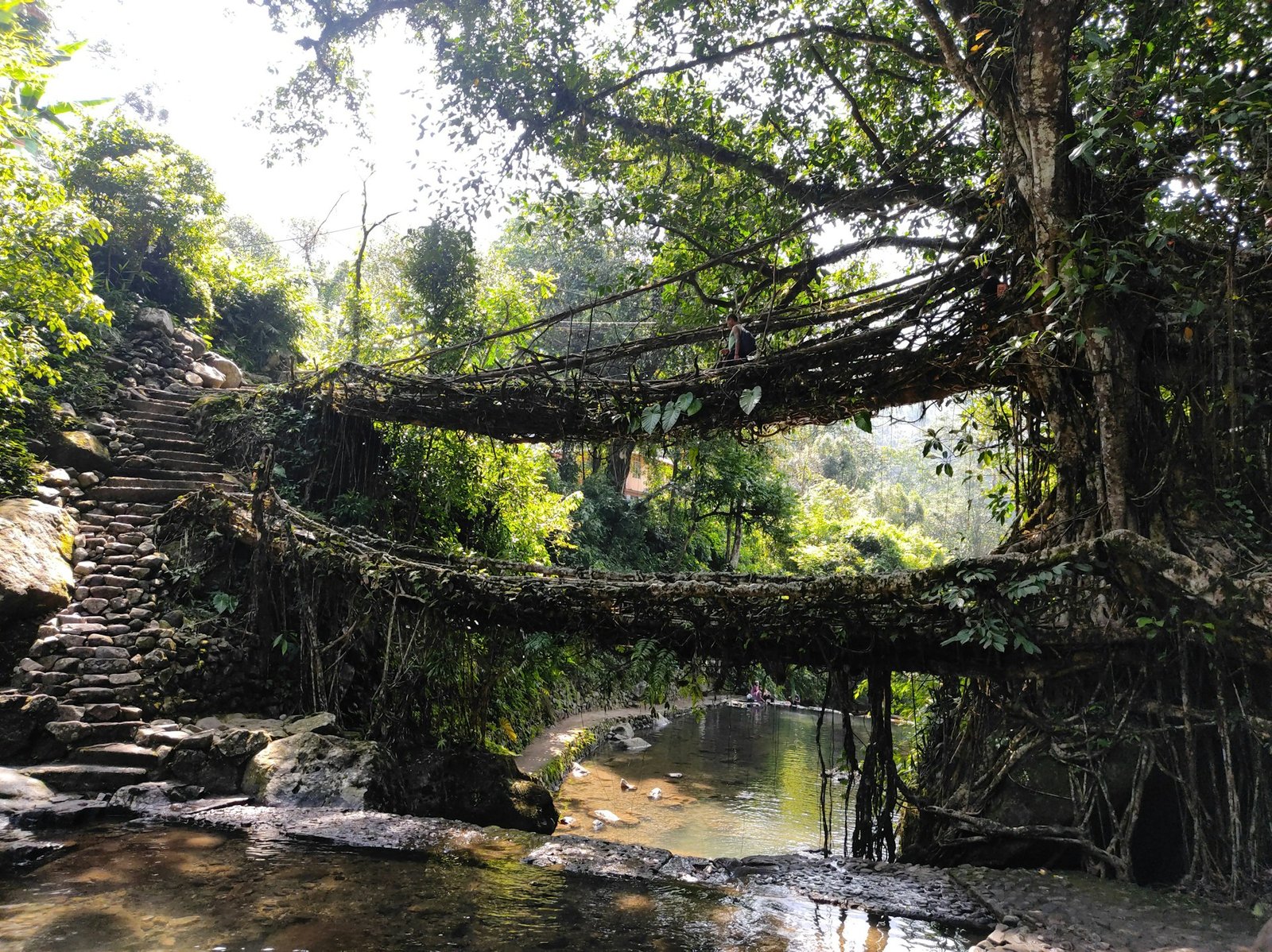
Most famous structures are built. Meghalaya’s are grown. In the villages south of Shillong, the Khasi and Jaintia communities have spent generations guiding the aerial roots of the Ficus elastica, the Indian rubber fig, across streams and gorges. The roots are trained, coaxed along hollowed betel trunks, and left to
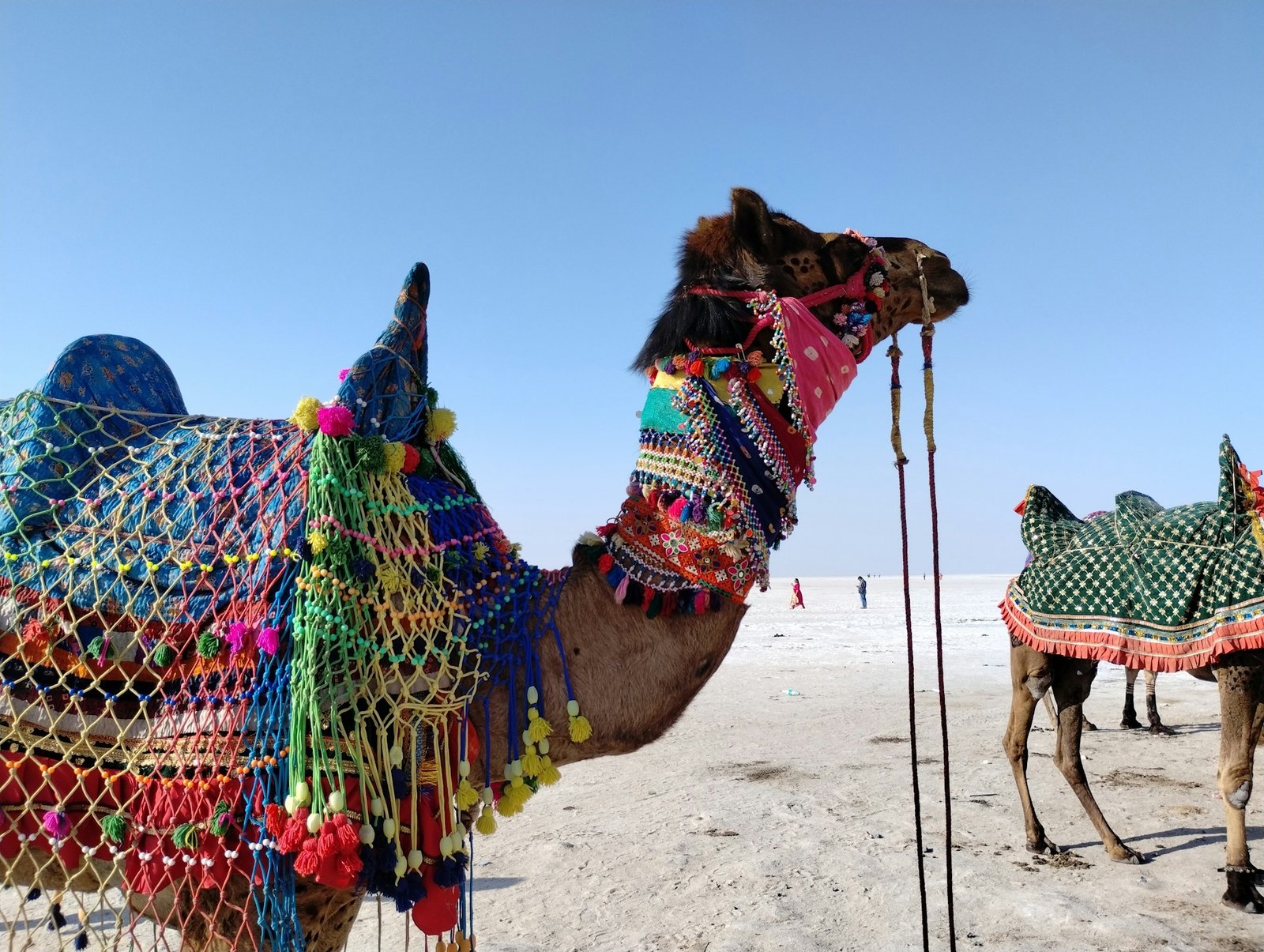
For eight months of the year, the Great Rann of Kutch is either underwater or unreachable. From roughly March through October, monsoon runoff and tidal flow from the Gulf of Kutch turn the region into a shallow inland sea, and for the hottest stretch before that, the exposed salt crust
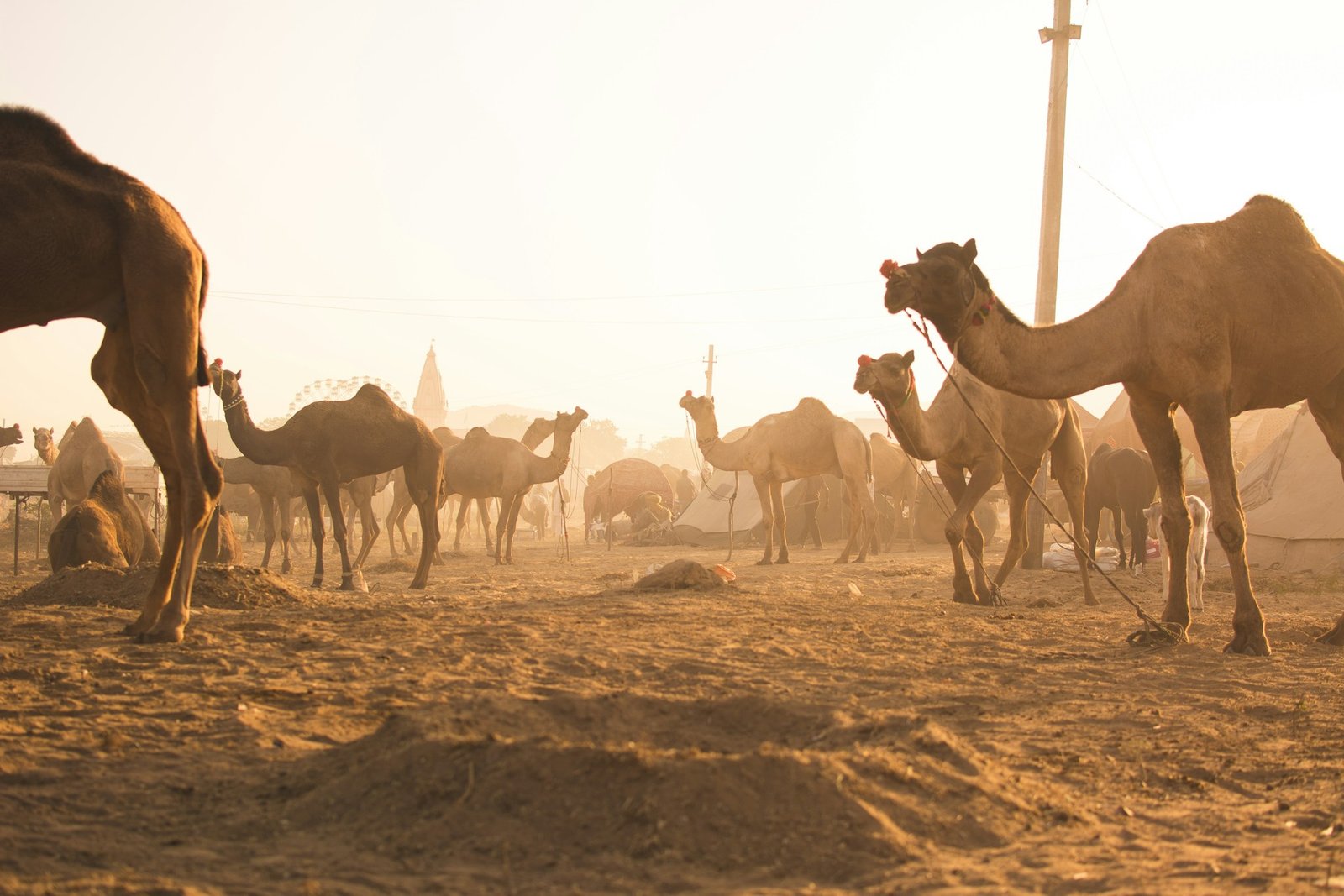
Pushkar is a town of roughly 20,000 people for most of the year. For one week every November, more than 50,000 camels, horses, and cattle arrive with their traders, along with several hundred thousand pilgrims, and the town’s entire population effectively turns inside out. It is not a festival built
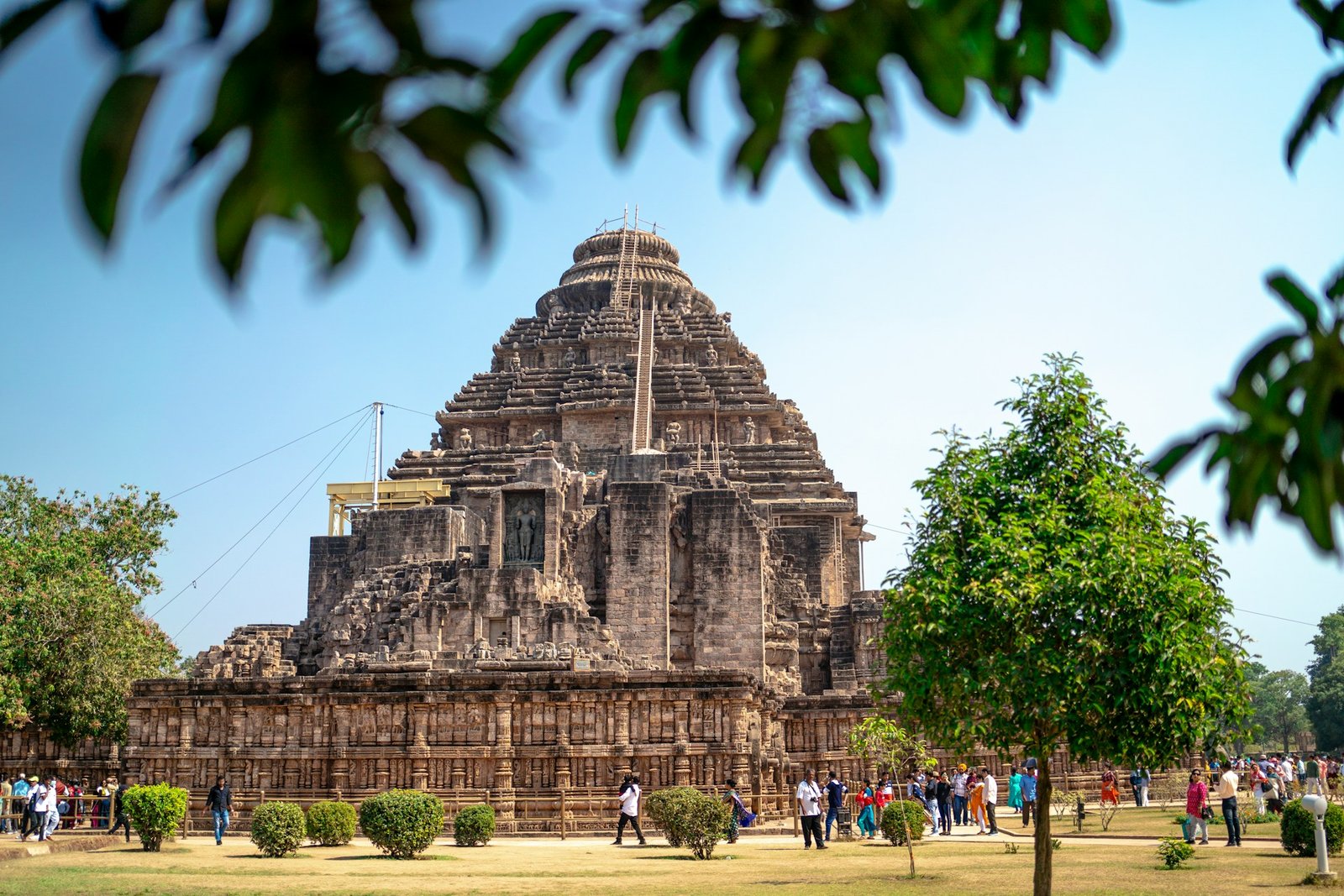
Odisha has a UNESCO World Heritage temple built as a giant stone chariot, a lagoon larger than Goa that holds one of the last populations of Irrawaddy dolphins in India, nearly 500 kilometres of coastline, a tiger reserve recognised by UNESCO, and a tribal population practising traditions found nowhere else
Most people buy travel insurance the way they buy a SIM card at the airport, quickly, without reading it, and hoping never to need it. That approach works for a data plan. It does not work for insurance, because the gap between what people assume a policy covers and what
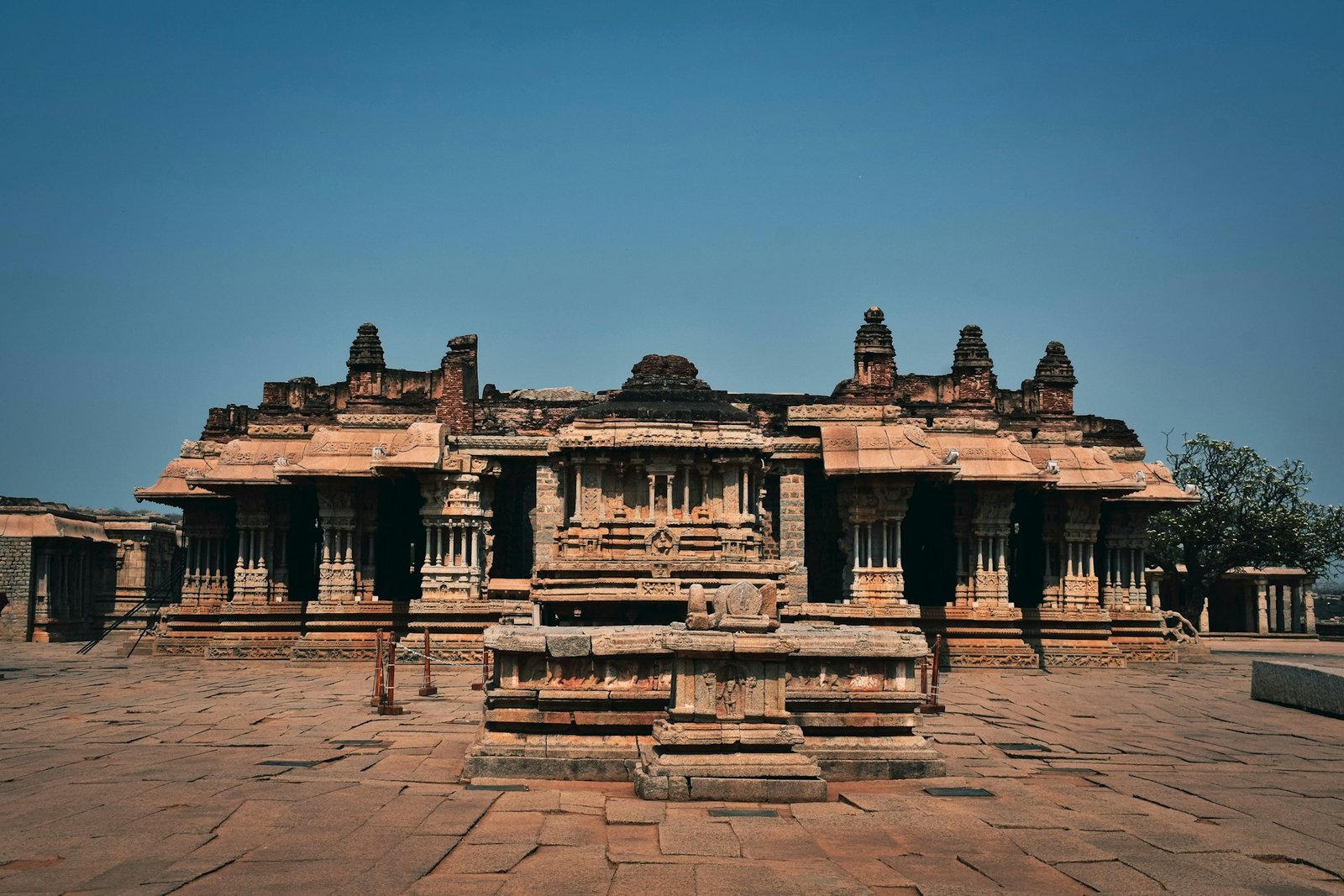
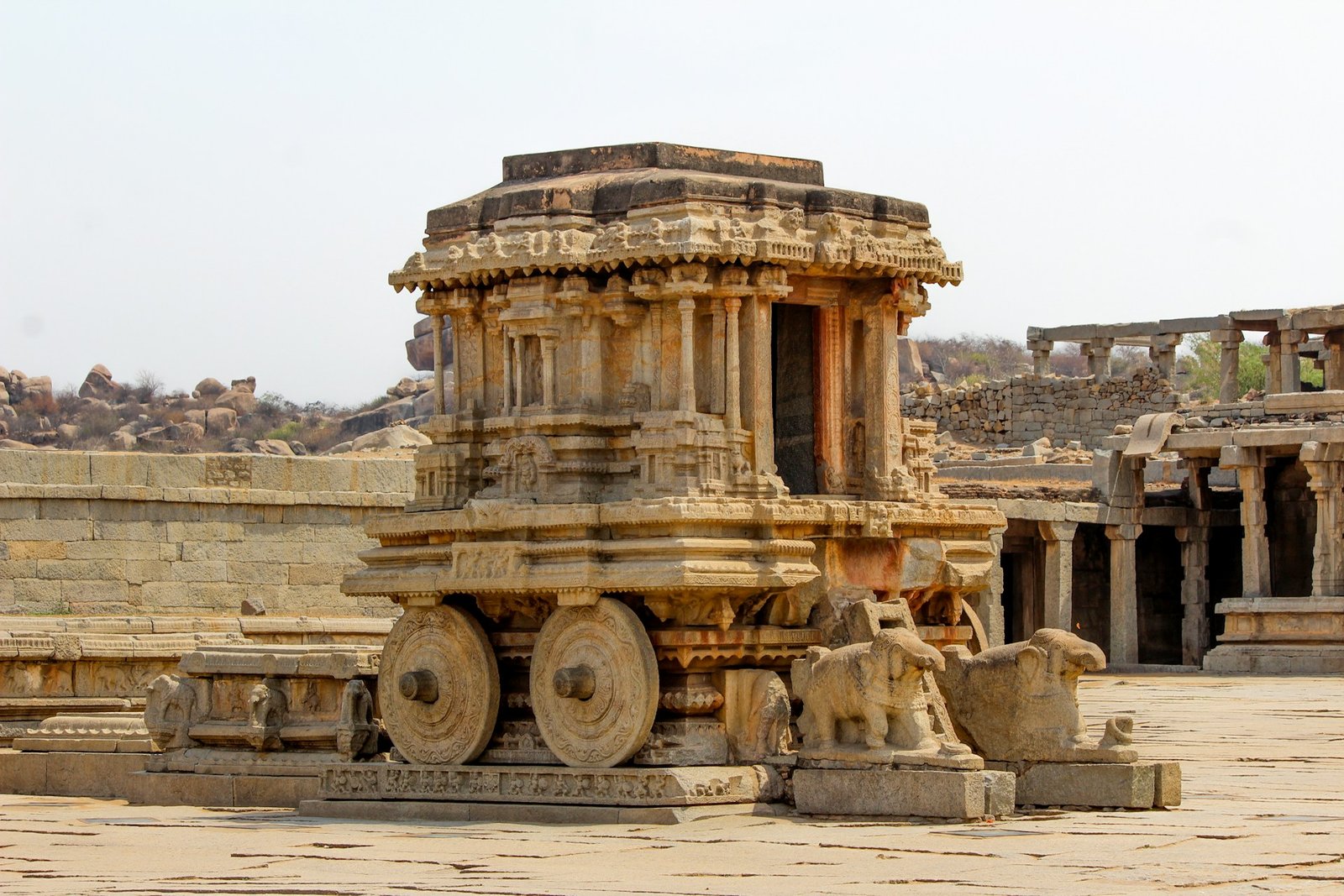
There is a stone chariot in Karnataka that was never meant to move. Carved entirely from a single granite outcrop in front of the Vittala Temple, it has stood in exactly the same spot since the 16th century, its wheels solid rock, its purpose purely symbolic. It is the single
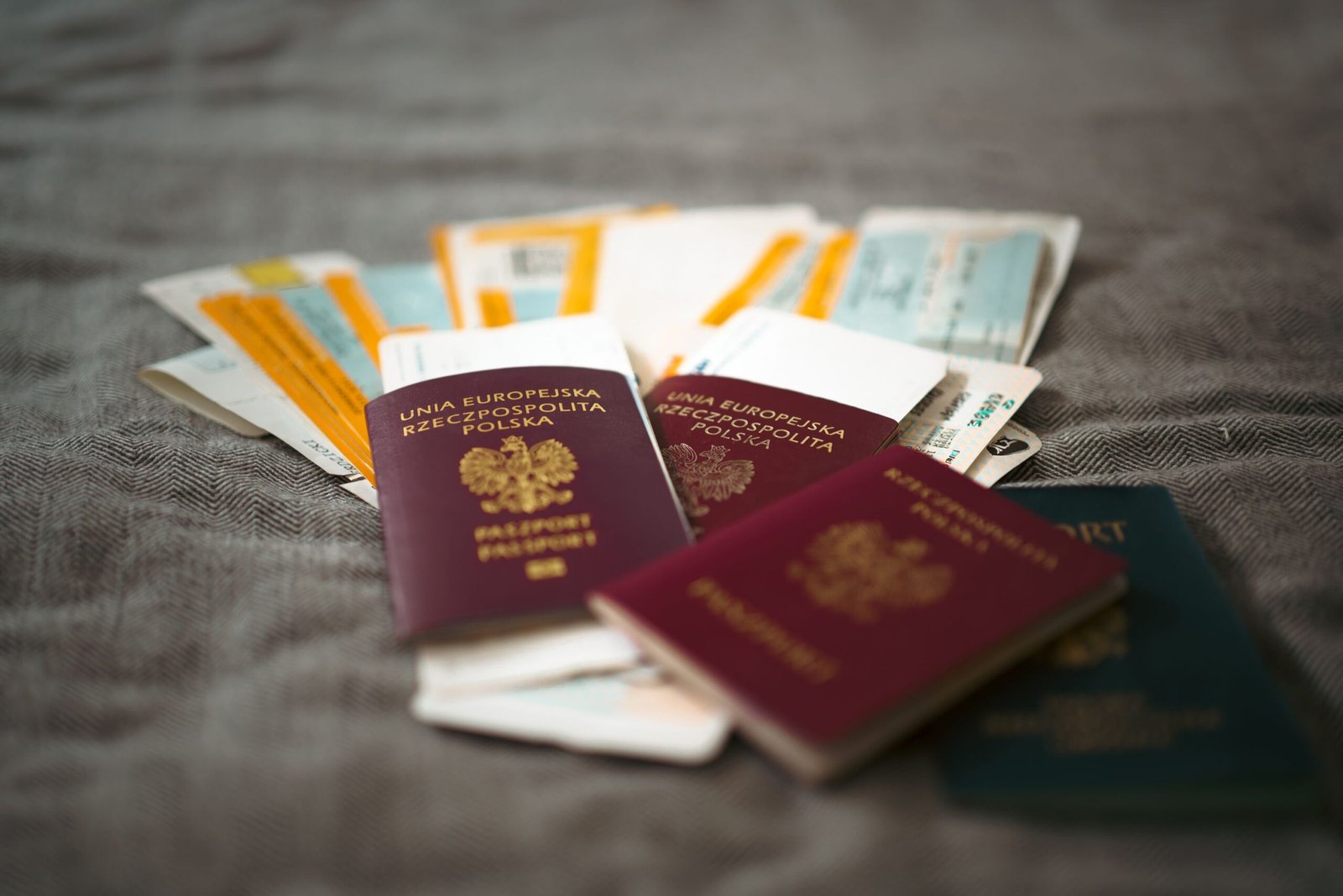
Most articles about the Schengen visa list the documents and stop. The document list is the easy part. It is published, it is on the VFS website, and nobody has ever been rejected for not knowing what a bank statement is. What people actually get wrong is the sequencing, the
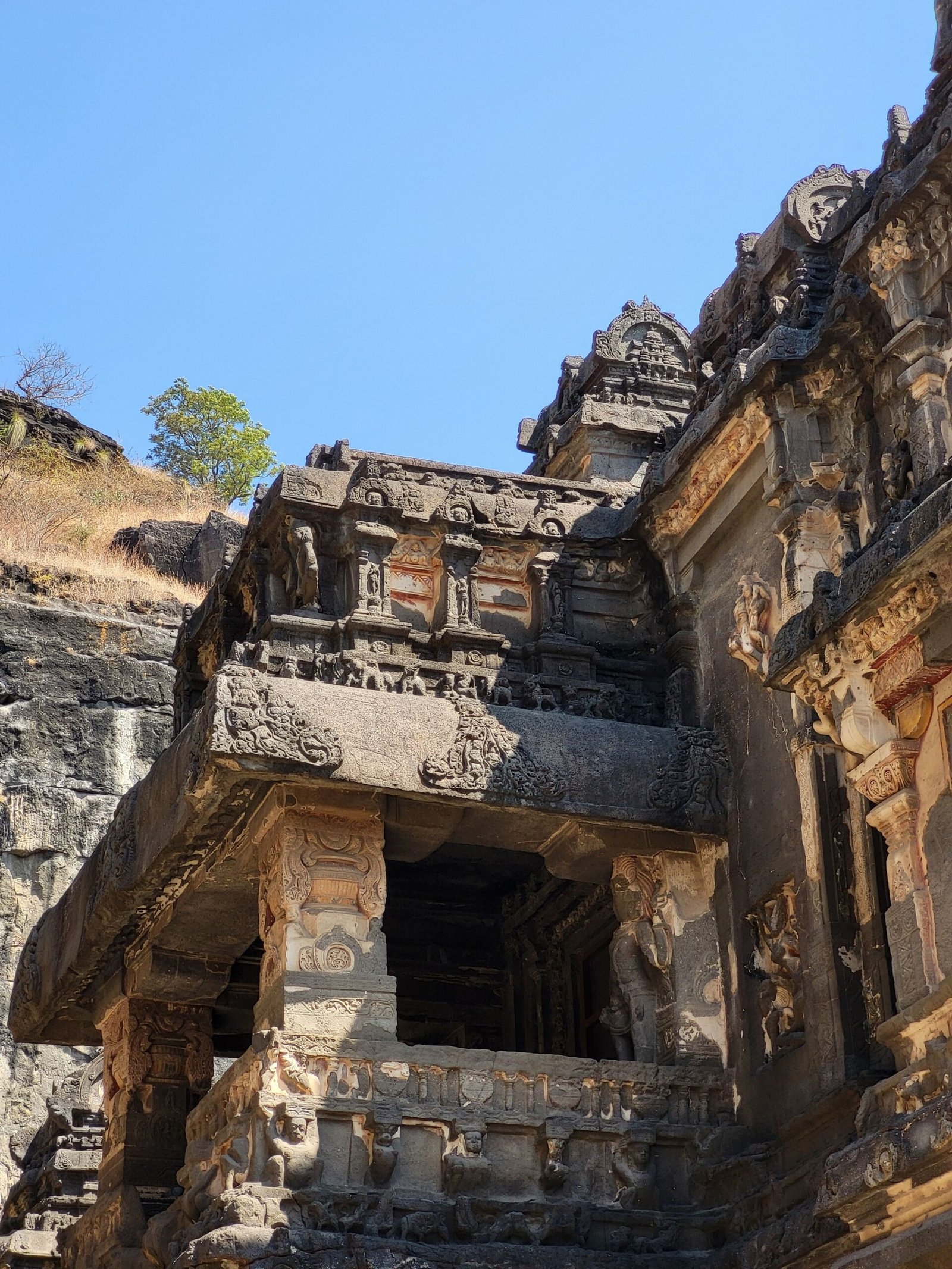
There is a temple in Maharashtra that was not built. It was excavated, carved downward and inward out of a single basalt hillside, roof first, with something on the order of two hundred thousand tonnes of rock removed and nothing added. No blocks were laid. No joints exist. The Kailasa
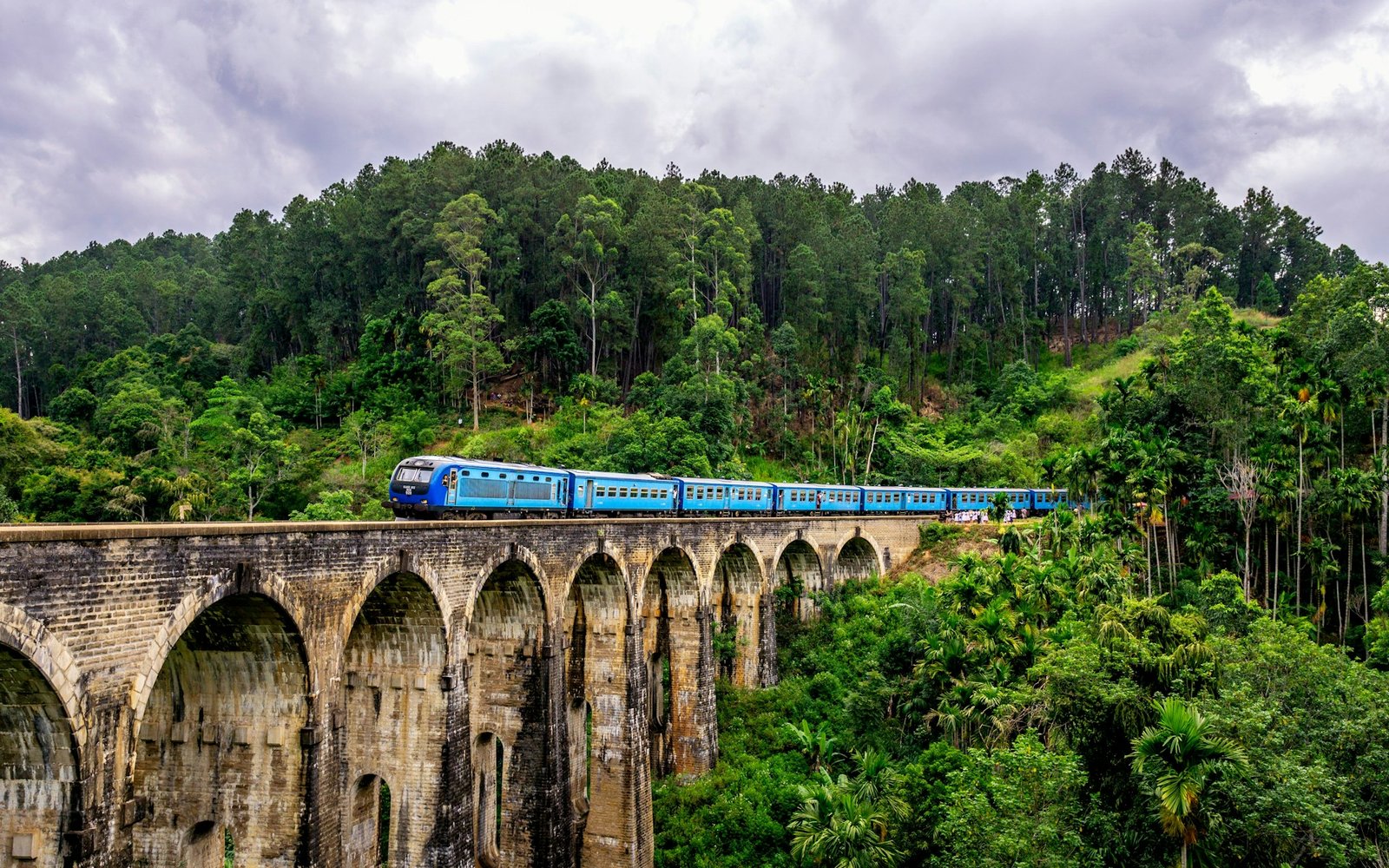
Sri Lanka is a short flight from parts of south India and currently one of the least complicated international trips available to an Indian passport holder. The temptation is to try to see all of it in a week. Resist that. The island is compact on a map and slow
Lakshadweep gets compared to the Maldives constantly, and the comparison is not useful. The Maldives is a tourism industry with an archipelago attached. Lakshadweep is an archipelago with a very small, very regulated tourism footprint. That is the whole appeal, and also the reason it takes planning. Here is what
Hampi is unusual among great archaeological sites because its destruction has a date. Vijayanagara was the capital of the last great Hindu empire of southern India, founded in 1336 by the brothers Harihara and Bukka. By the early sixteenth century it had grown into one of the largest and wealthiest
There is a point in eastern Ladakh where the Milky Way is bright enough to throw a shadow. Hanle sits at around 4,500 metres on the Changthang plateau, inside a cold desert wildlife sanctuary, close to the border. It was known for two things for most of its history: pashmina
Most famous structures are built. Meghalaya’s are grown. In the villages south of Shillong, the Khasi and Jaintia communities have spent generations guiding the aerial roots of the Ficus elastica, the Indian rubber fig, across streams and gorges. The roots are trained, coaxed along hollowed betel trunks, and left to
For eight months of the year, the Great Rann of Kutch is either underwater or unreachable. From roughly March through October, monsoon runoff and tidal flow from the Gulf of Kutch turn the region into a shallow inland sea, and for the hottest stretch before that, the exposed salt crust
Odisha has a UNESCO World Heritage temple built as a giant stone chariot, a lagoon larger than Goa that holds one of the last populations of Irrawaddy dolphins in India, nearly 500 kilometres of coastline, a tiger reserve recognised by UNESCO, and a tribal population practising traditions found nowhere else
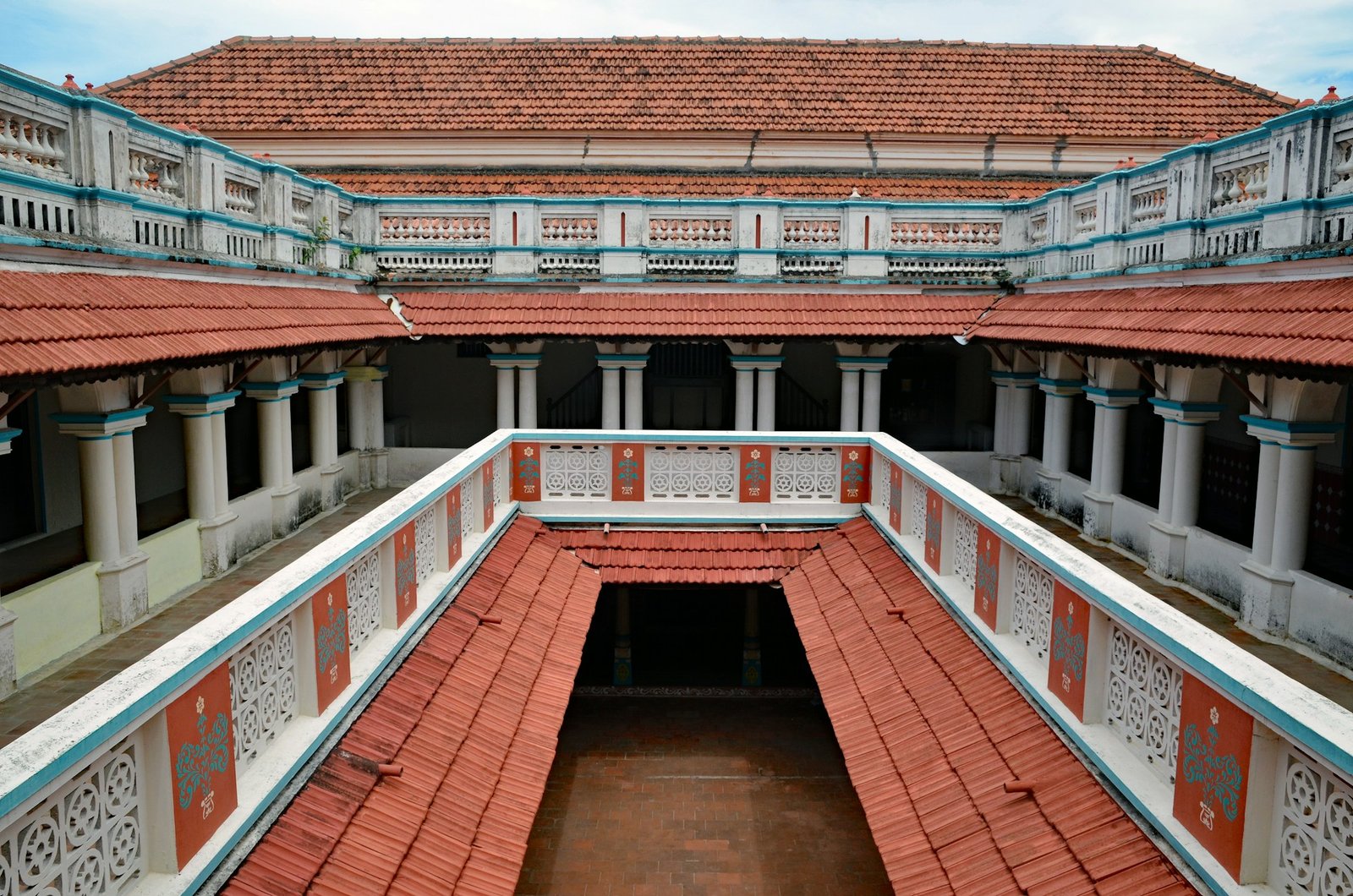
Tamil Nadu is usually described in terms of its temples, its food and its classical arts, all of which are real. What the description leaves out is that the state contains two of the most architecturally distinctive places in the country, sitting a few hours apart, and that between them
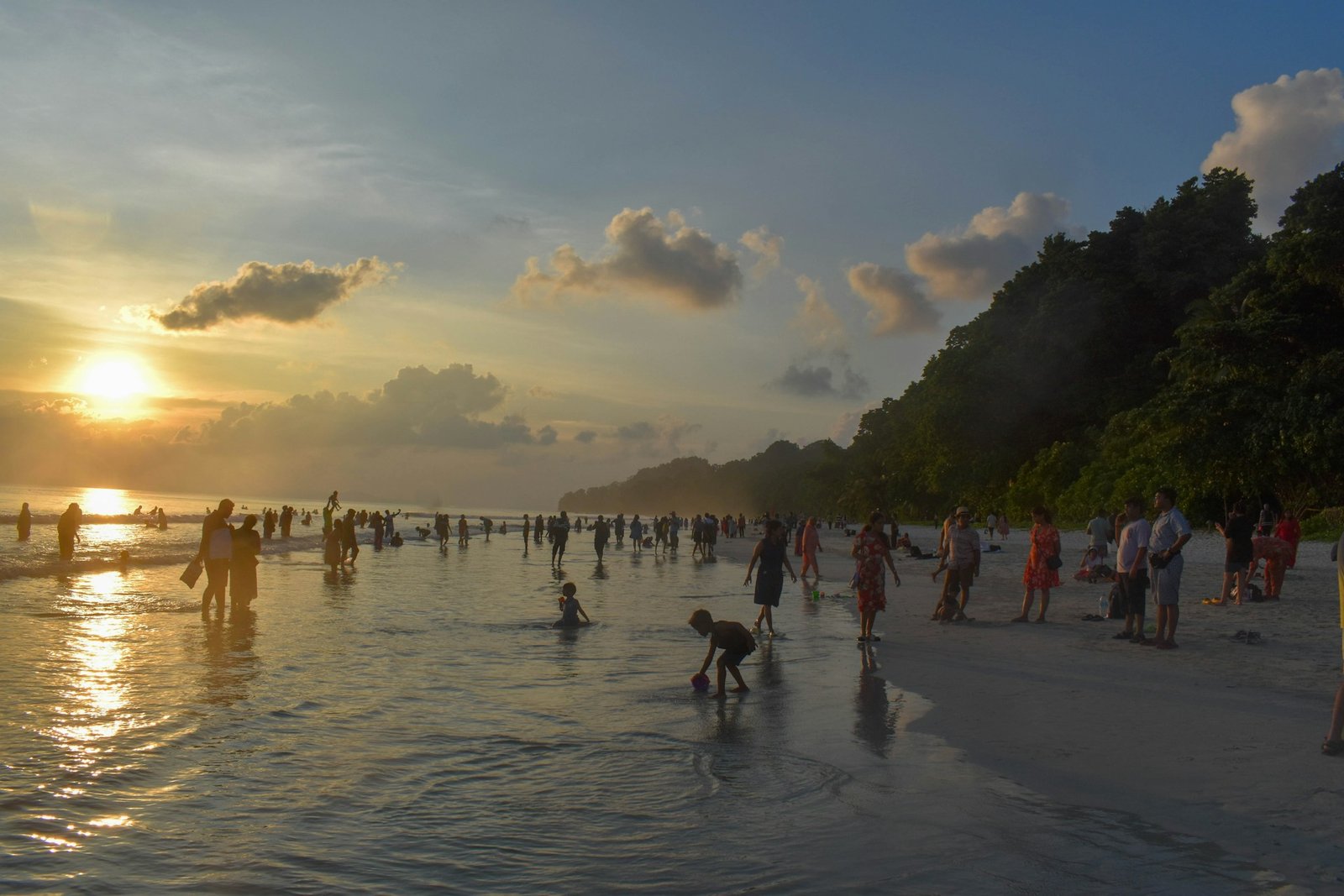
The Andaman and Nicobar Islands sit in the Bay of Bengal closer to Myanmar and Thailand than to the Indian mainland, and they have been part of India since 1947. They have something that almost no other Indian destination can claim: a coral reef in genuinely good condition, water clear
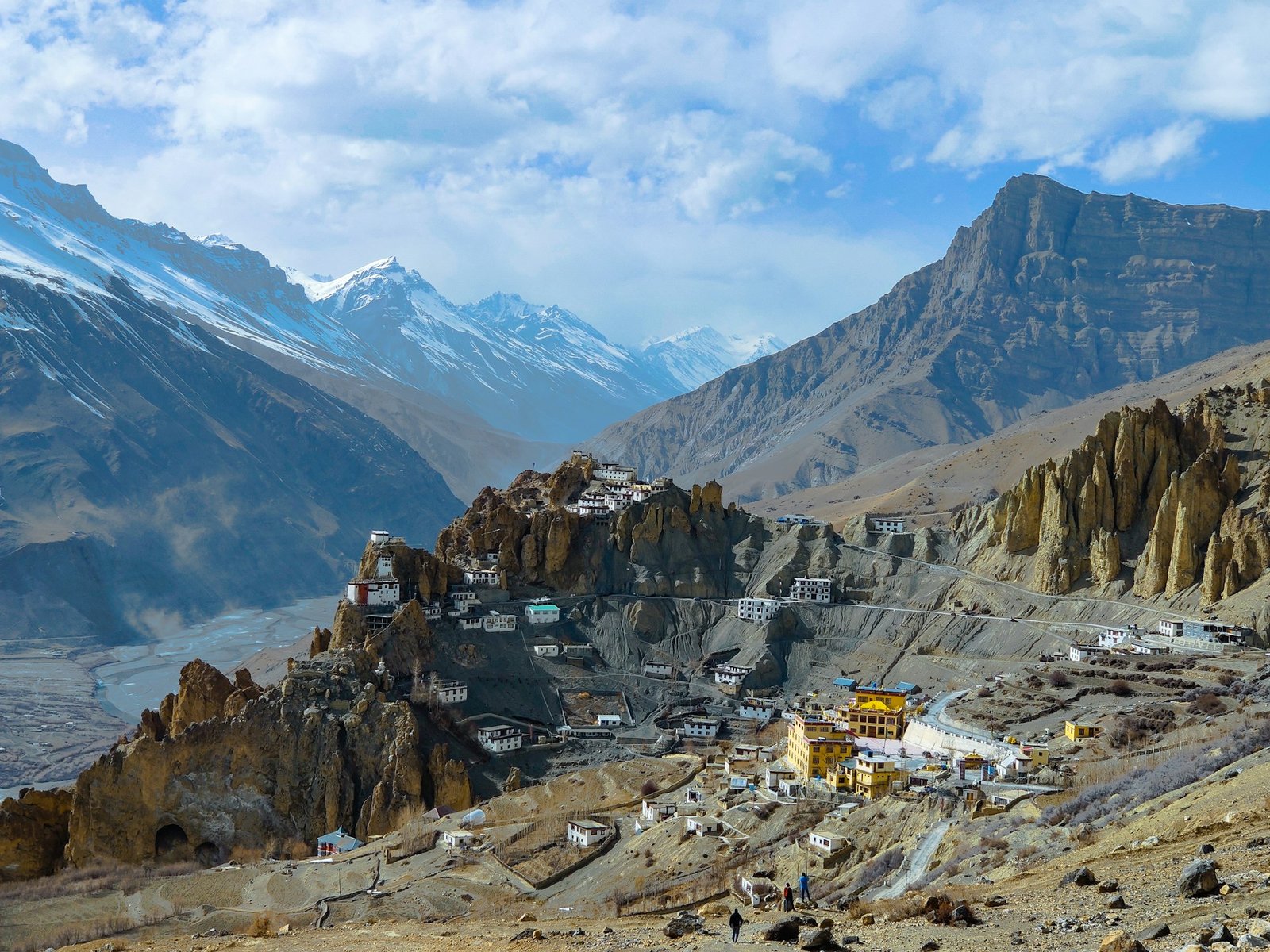
Himachal Pradesh is the most visited hill state in India and one of the least explored. The two places that absorb most of the traffic, Shimla and Manali, sit at the accessible end of a state that extends for hundreds of kilometres into the high Himalaya. Most travellers arrive, declare
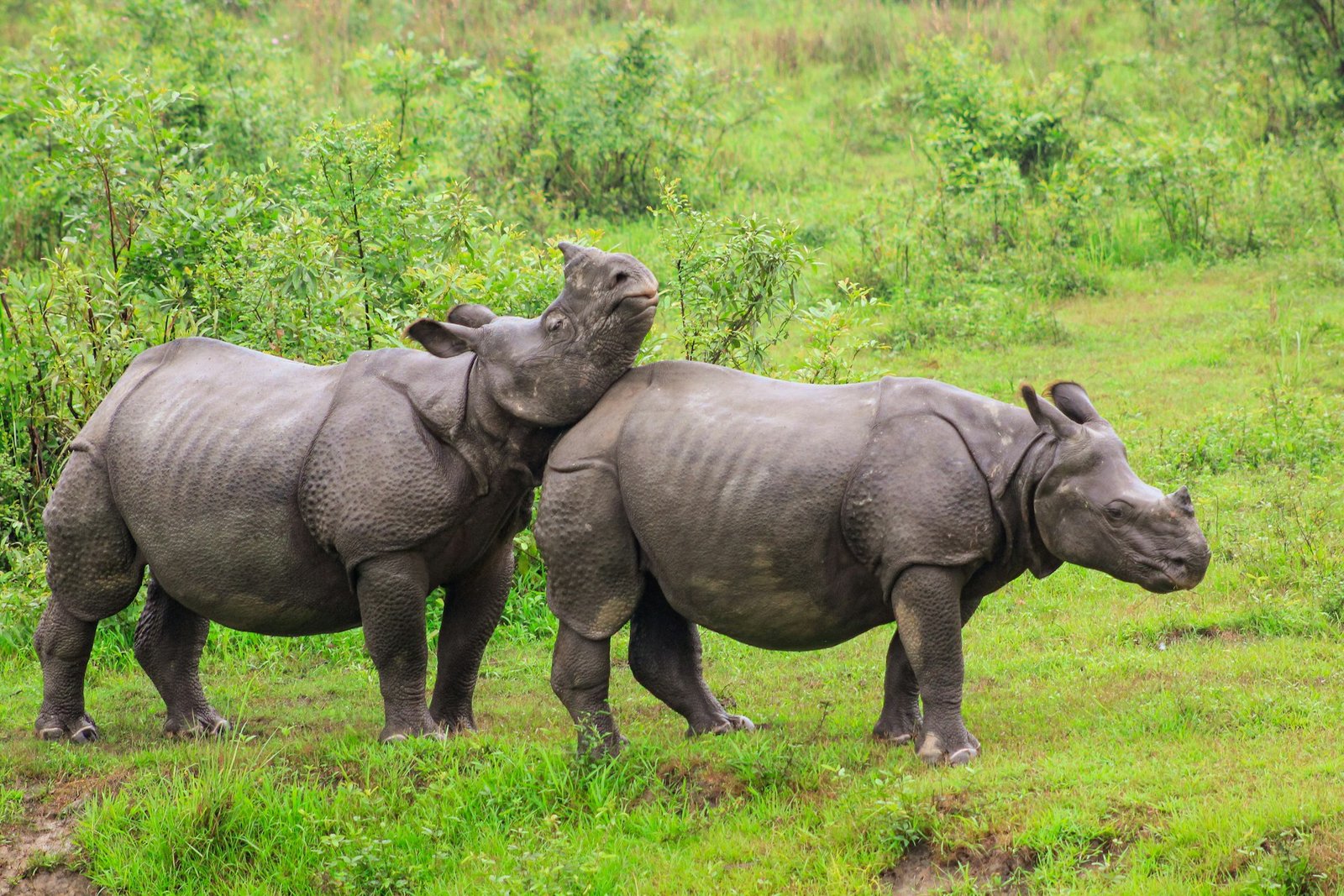
Assam is the easiest state in the northeast to reach and the one most often used as a corridor to somewhere else. Flights land at Guwahati, travellers change for Shillong or Tawang, and the state itself goes past the window. This is a mistake of a fairly high order. Assam
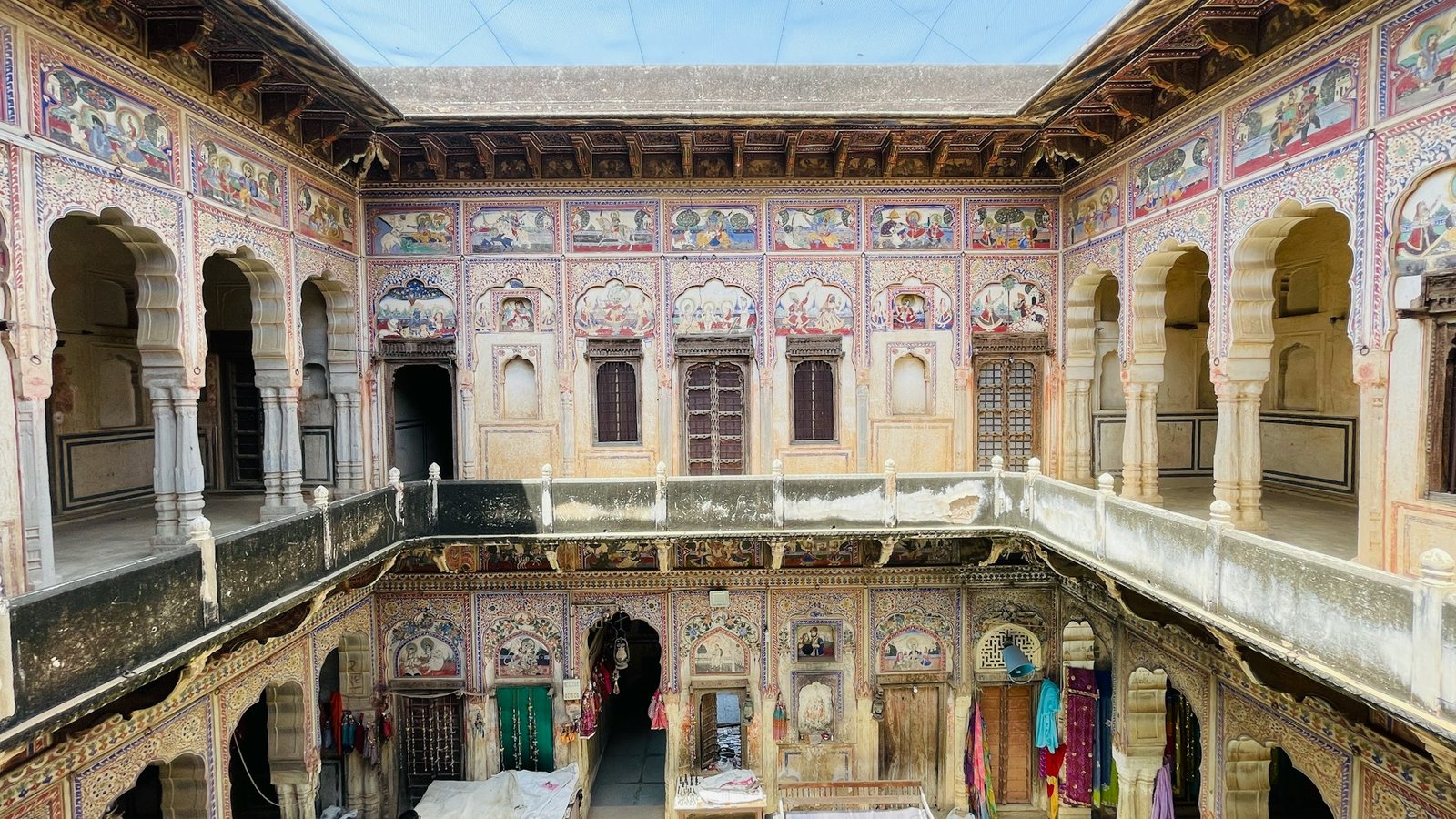
Rajasthan has a problem that comes from being very good at what it does. Jaipur, Udaipur and Jaisalmer are extraordinary and they are also, in season, extremely full. The forts have ticket queues, the lake palaces have waiting lists, and the photograph you came for has forty people in it.
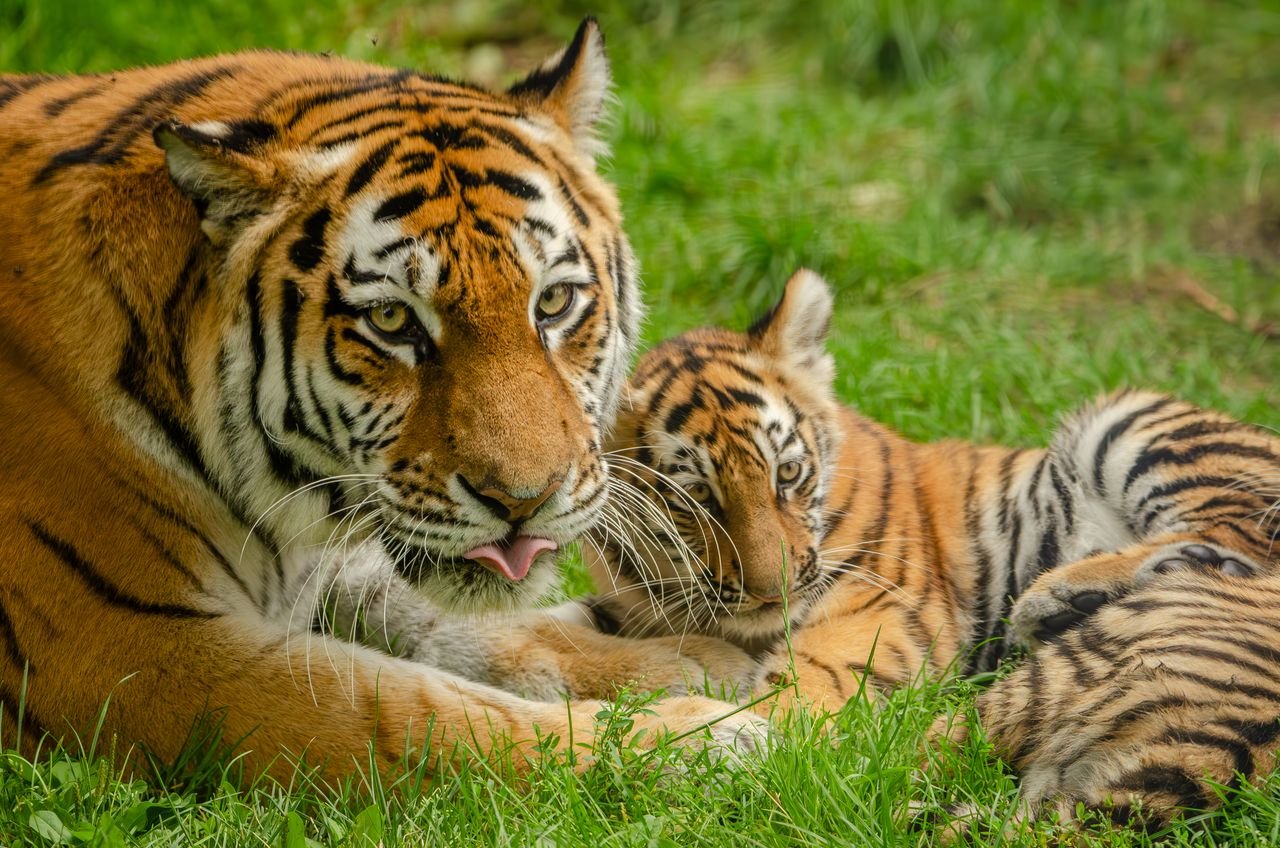
Half a century ago, India was on the verge of losing its most iconic animal. In 1972 a census delivered a shock, only around 1,800 tigers remained in a country that had once counted them in the tens of thousands. What happened next is one of the greatest conservation stories
India has always been a land of extraordinary contradictions. Where else in the world can you watch a tiger emerge from golden grasslands at dawn, then return to a candlelit dinner under the stars, your tent furnished with handwoven textiles and a butler who remembers you take your chai without
India grows some of the finest shade coffee in the world, and almost all of it comes from two districts in Karnataka that most of the country drives past on the way to somewhere else. Coorg and Chikmagalur sit in the Western Ghats a few hours apart, and between them
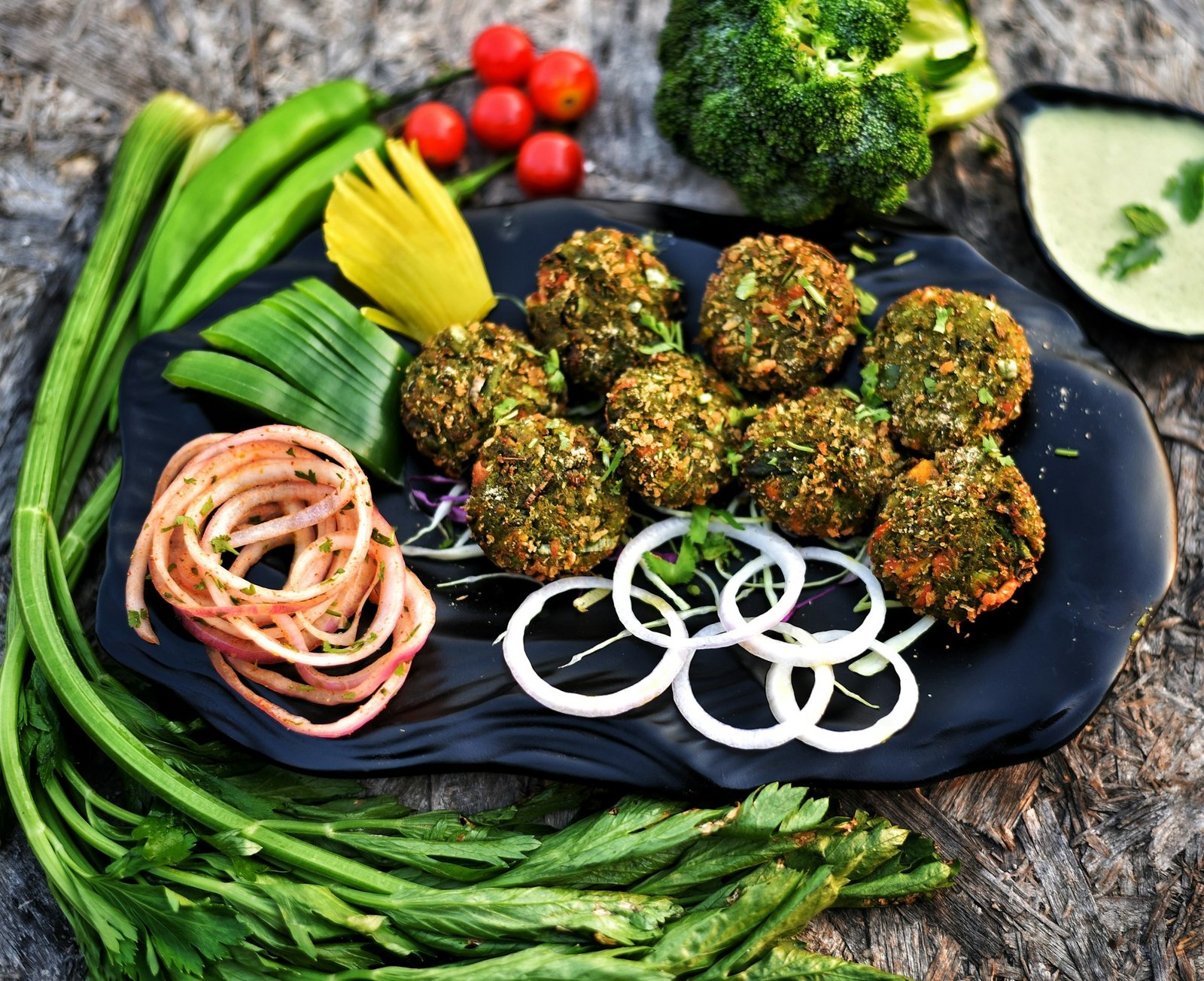
Rain changes everything about food in India. It sharpens the appetite, it fills the air with the smell of hot oil meeting spice, and it turns the simplest snack into an event. Across the country, the first heavy drops of monsoon send millions of people reaching for the same thing
Rain changes everything about food. It sharpens appetite, deepens comfort, and makes certain combinations chai and pakoras, sol kadhi and fresh fish, mustard-heavy Bengali preparations that warm from the inside feel not just delicious but necessary. India’s food is already extraordinary. In monsoon, eaten in the right places at the
There is a kind of India you only meet from behind a windscreen. The train shows you the country through a window that never stops moving. The plane skips over it entirely. But the open road hands you the controls, lets you stop where you want, eat where the smell
There is a version of the Mumbai to Goa drive that every Indian knows the one done in December, with the windows down and a playlist running and the coast glittering to the left. It is wonderful. And then there is the monsoon version. Which is something else entirely. The
In most of the world, luxury travel means a beautiful hotel. In India, it can mean something rarer, sleeping inside living history. Across the country, palaces that once housed maharajas and nizams have opened their doors, and a part of many of them still shelters the royal families who built
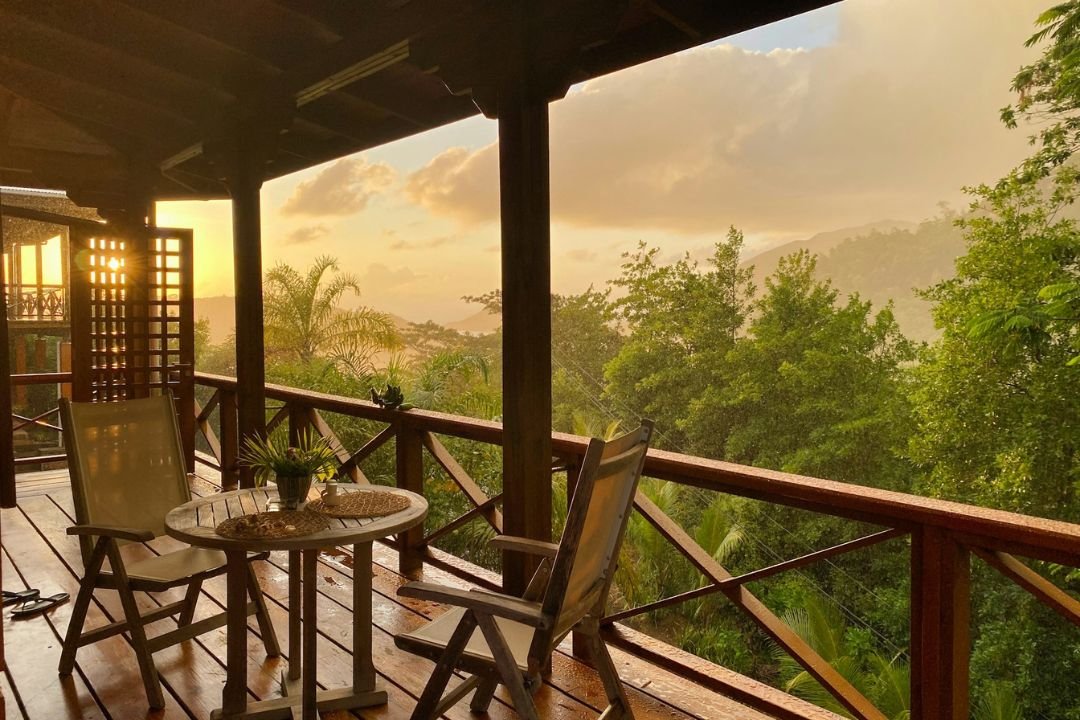
There is a particular luxury that only monsoon can deliver the sound of rain on a canvas roof while you’re warm inside. The smell of wet earth through an open window. A fire lit in the evening despite it being July. Breakfast on a verandah while mist moves through the
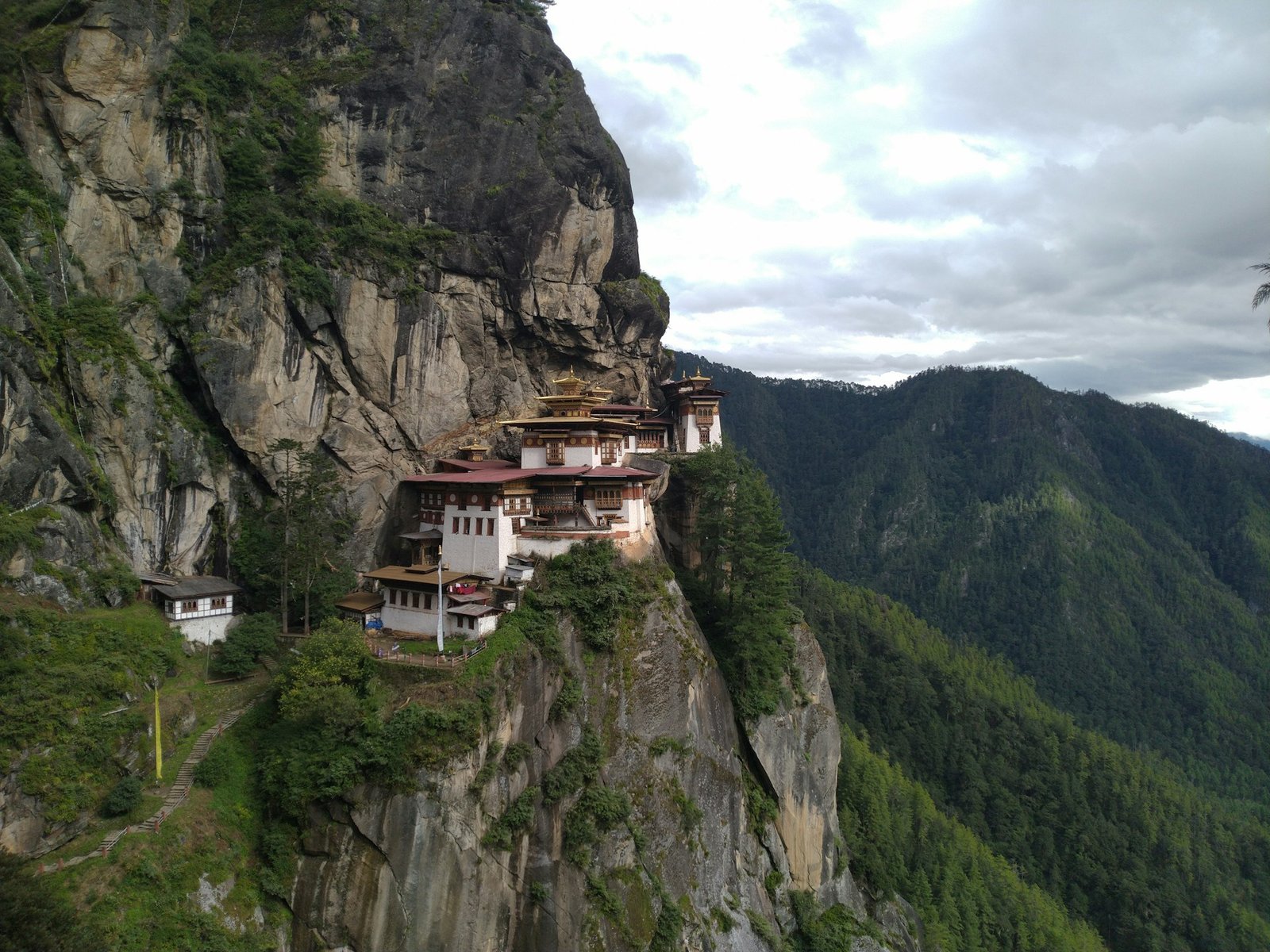
Bhutan is the only country on earth that has built its entire tourism policy around a single, deliberately blunt idea. Rather than chase as many visitors as possible, it charges every international tourist a nightly fee designed to keep numbers low and impact lower, a philosophy the government calls High
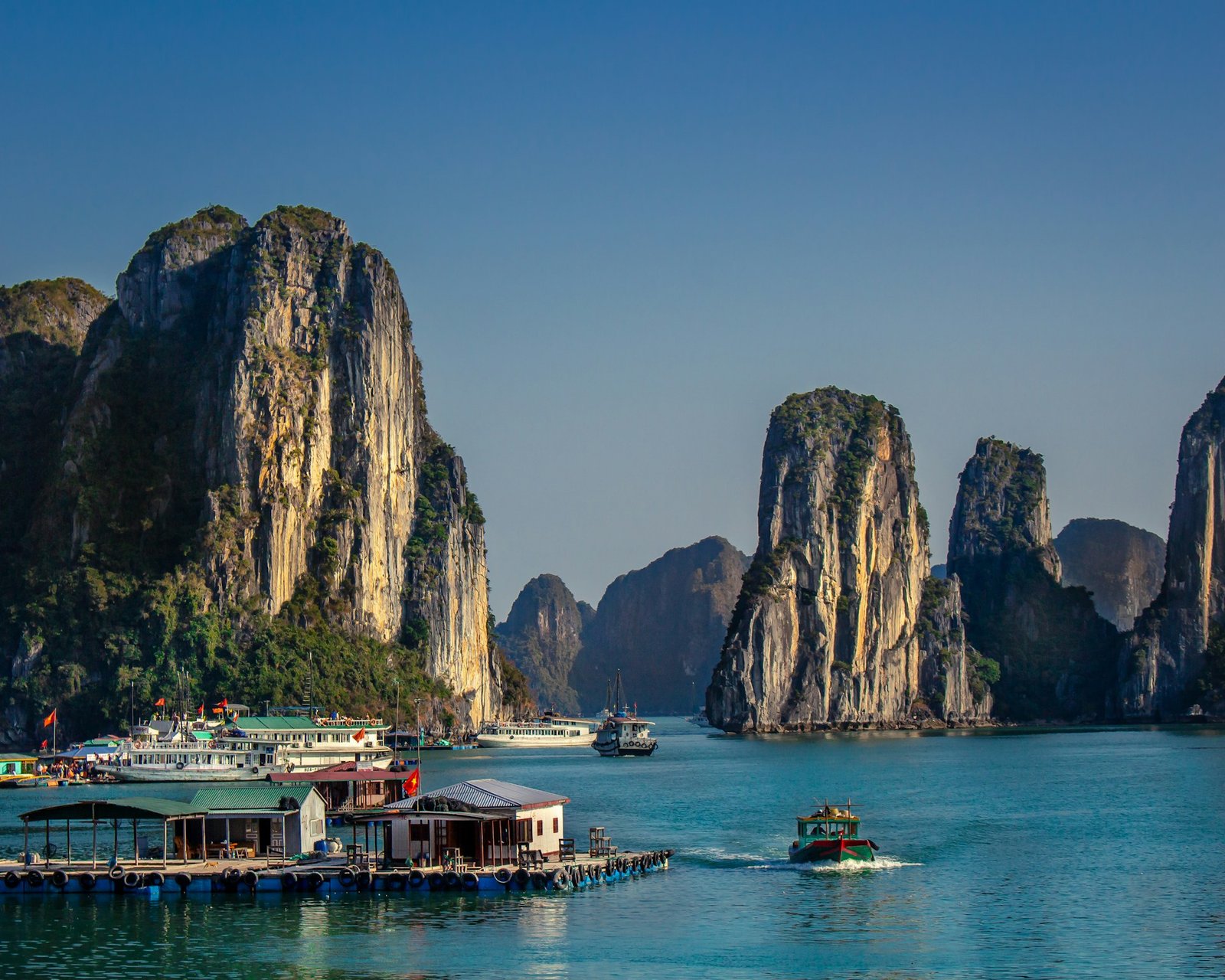
Vietnam stretches over 1,600 kilometres from north to south, curved along the South China Sea like a long, narrow question mark, and that shape is the first thing worth understanding before planning a trip there. A country this elongated does not have one climate or one character. It has three,
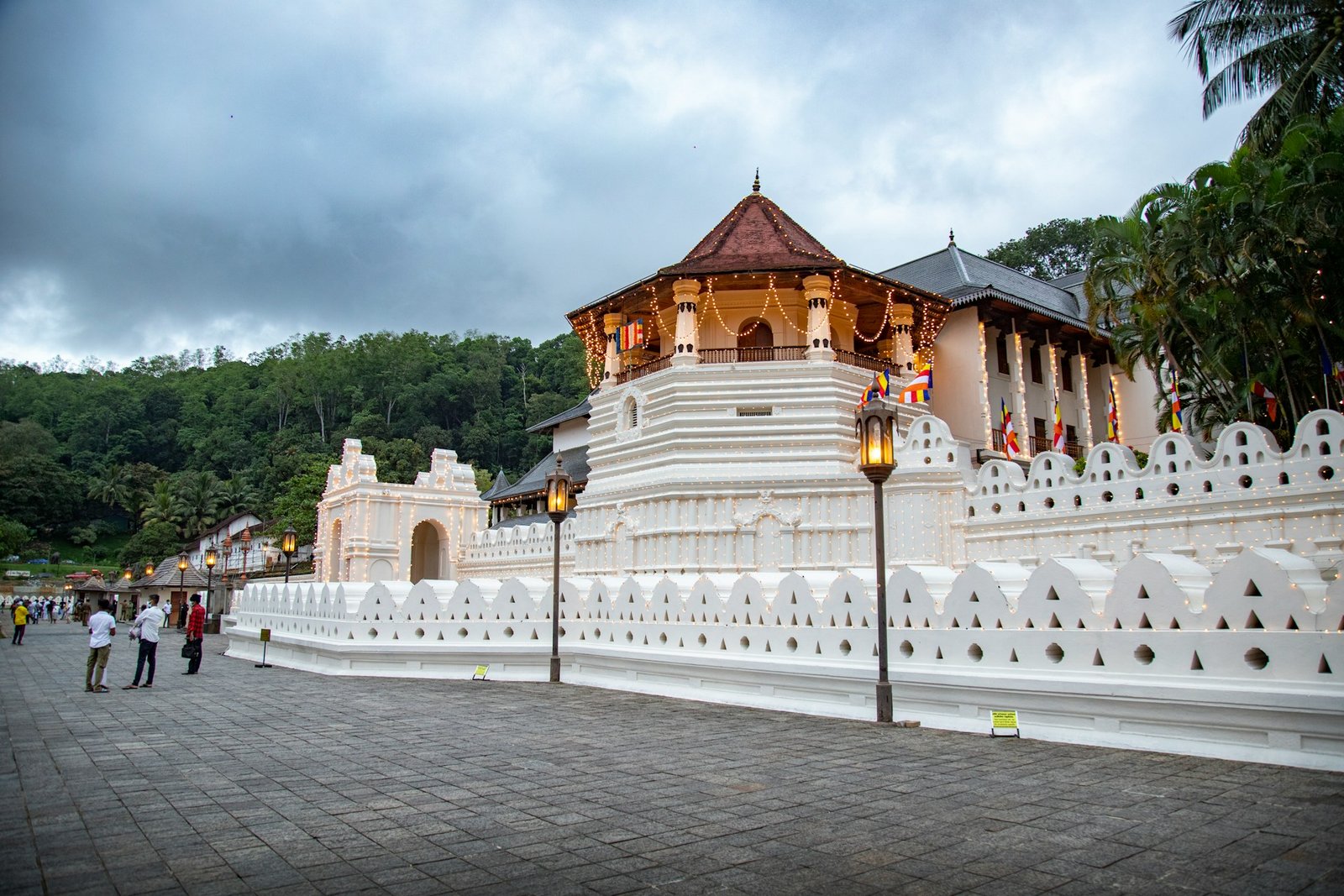
There is a stretch of central Sri Lanka, roughly a triangle drawn between three ancient capitals, that holds more UNESCO World Heritage Sites per square kilometre than almost anywhere else in Asia, and most first time visitors to the island still spend their entire trip on its beaches without ever
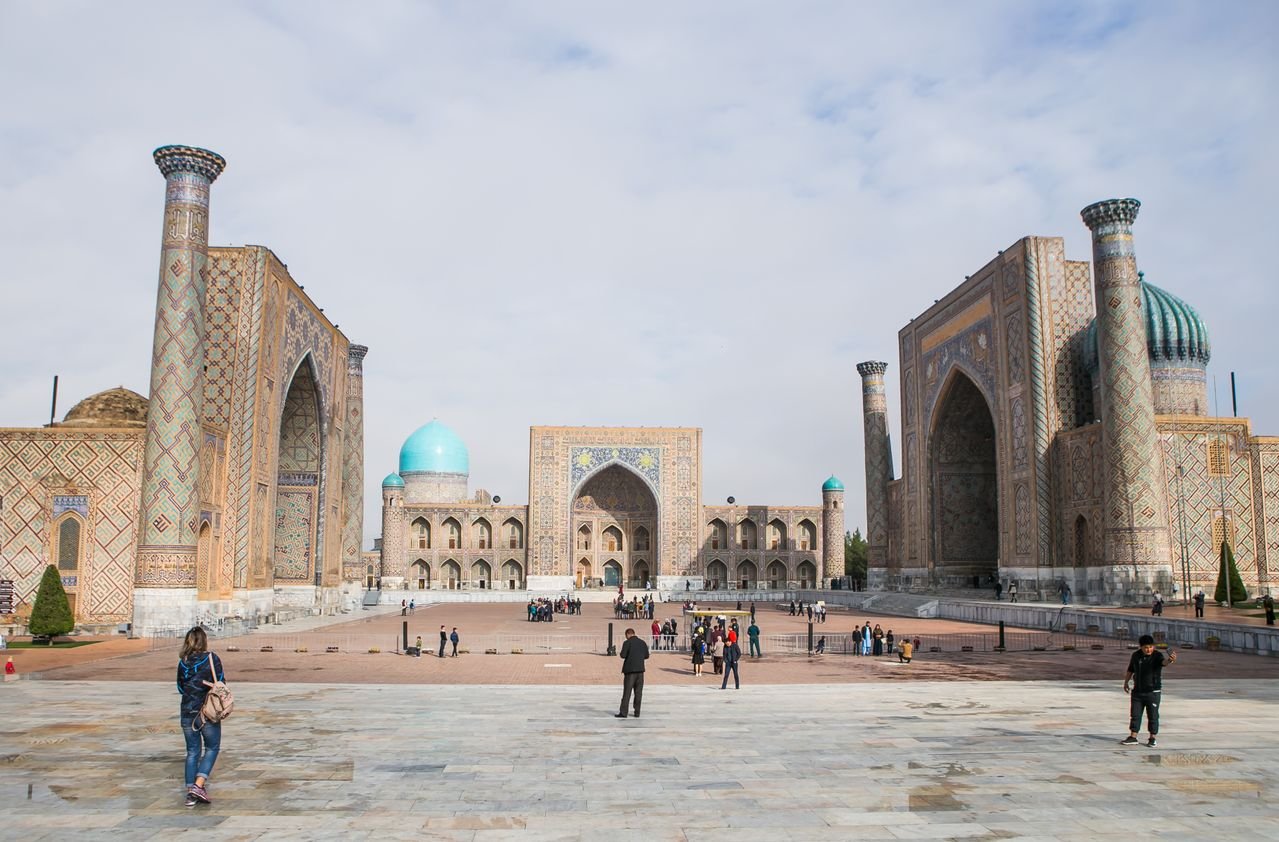
The founder of the Mughal empire was born in a valley in eastern Uzbekistan. Babur left Fergana as a teenager, spent years trying and failing to hold Samarkand, and eventually turned south towards India instead. Most Indians know the empire he built. Very few have seen the country he came
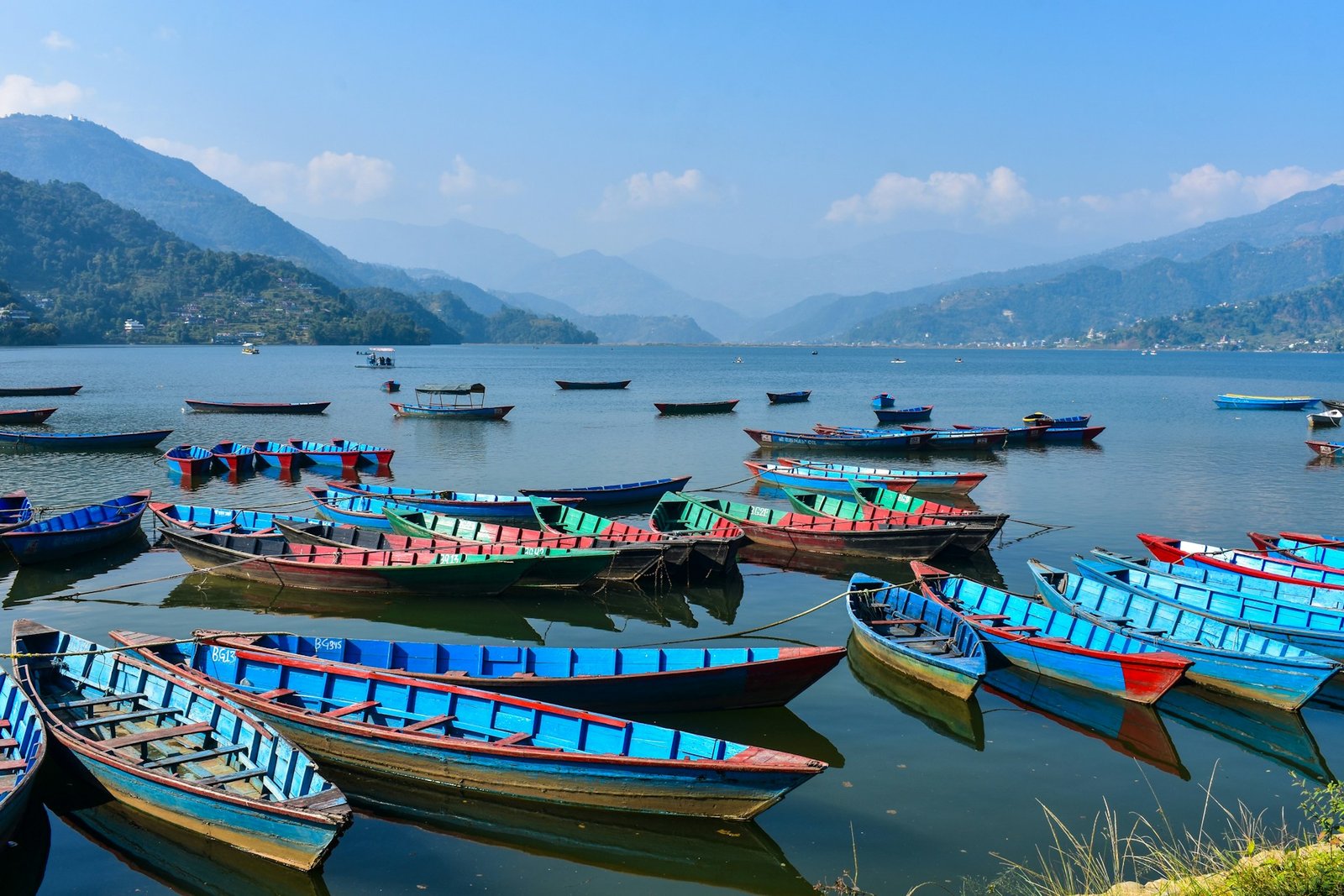
Eight of the world’s fourteen highest peaks sit inside Nepal, and an Indian passport holder can walk into the country without a visa. There is no other place on earth where that combination exists. Kathmandu is under two hours from Delhi, the rupee is broadly accepted, and Hindi will carry
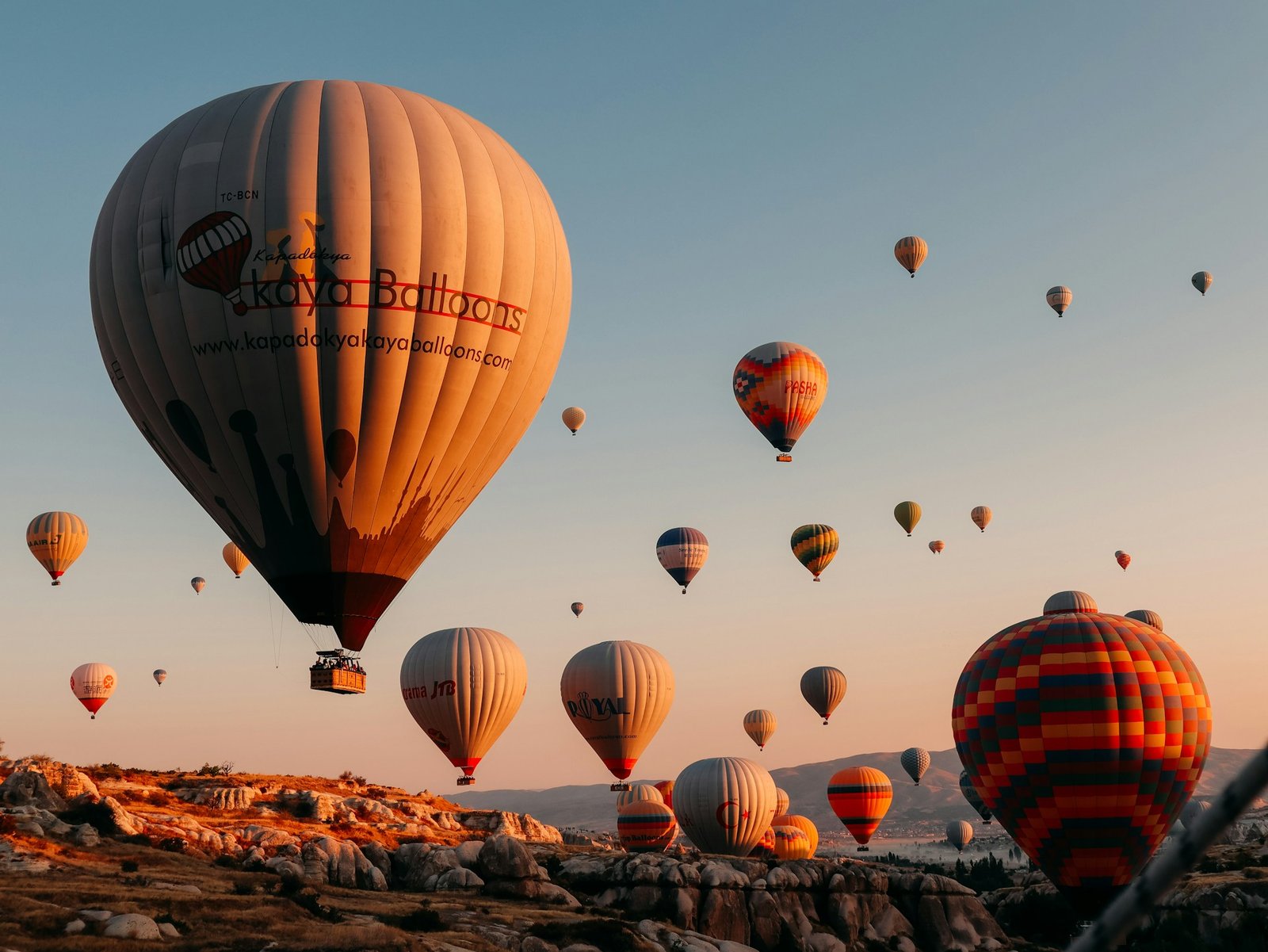
Turkey does something no other country manages quite as neatly. It puts a city that was the capital of two of the largest empires in history within an hour’s flight of a landscape that looks like it belongs on another planet, and it does both at a cost that compares