
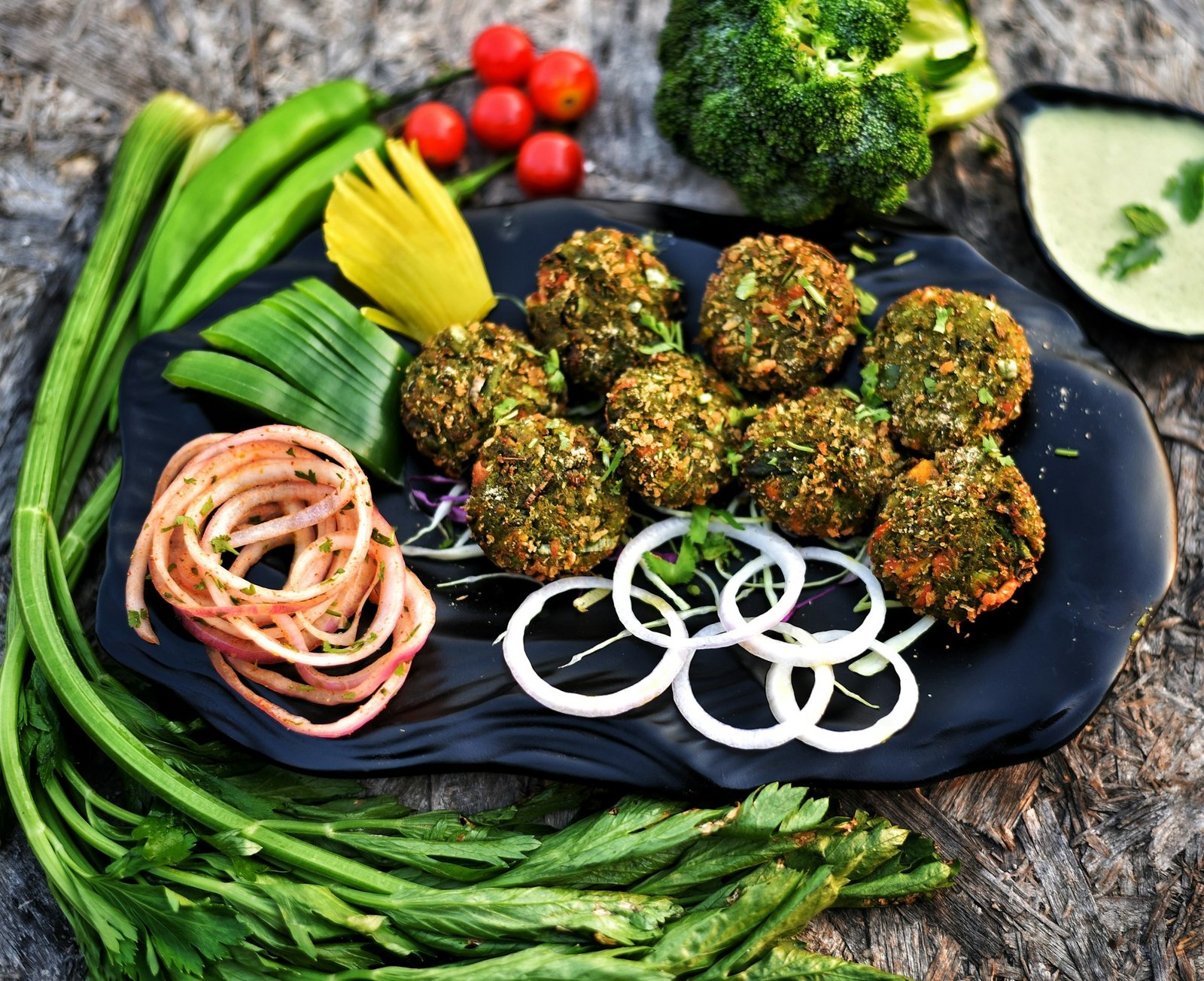
Rain changes everything about food in India. It sharpens the appetite, it fills the air with the smell of hot oil meeting spice, and it turns the simplest snack into an event. Across the country, the first heavy drops of monsoon send millions of people reaching for the same thing at once, something crisp, something hot, and a cup of chai to go with it. This is a country that does not merely tolerate the rains. It celebrates them, one plate at a time.
If you want to understand India, travel it during the monsoon and eat what the locals eat when the sky opens. Here is the trail.
The pakora, in all its regional disguises
No dish is more tied to the Indian monsoon than the pakora. At its heart it is simplicity itself, vegetables or paneer dipped in a spiced chickpea flour batter and fried until golden. But this humble fritter wears a different name and a different character in nearly every region. In the south it is the bajji, flatter and served alongside filter coffee. In western India it is the bhajiya. In Bengal it becomes the telebhaja or bora. Same idea, endless variation.
In Delhi during the rains, the streets fill with the smell of onion, potato, paneer and chilli fritters served with a bright mint chutney. Pair them with kadak masala chai, the strong spiced tea that is practically India’s national drink, and you have the country’s most beloved five o’clock ritual.
South India’s rainy-day comforts
Head south and the monsoon table shifts. In Bangalore, the rains call for Mysore bonda, a fluffy deep-fried ball served with coconut chutney and sambar, and Maddur vada, crisp at the edges and soft within, best enjoyed slowly over a long gossip session and a filter coffee. When the weather turns, local kitchens bring out ragi mudde and spicy rasam, warming lentil-based dishes made to be eaten as the rain drums outside.
Chaat, the tangy heart of the season
The monsoon is also chaat season, when tangy, spicy street snacks come into their own. Papdi chaat, dahi puri, and the beloved golgappa, known as pani puri in much of the country, are eaten across India through the wet months. Regional variations reward the curious traveller, from the Raj Kachori of Jaipur to the layered chaats of the north. A word of caution worth passing to members, the monsoon is glorious for chaat but demands you choose busy, high-turnover stalls where the water and ingredients are fresh.
The sweet finish
No monsoon food trail is complete without jalebi, those bright orange spirals of fried batter soaked in sugar syrup, crisp outside and syrup-soft within. In Indore they make a king-sized version rightly called the jaleba. For the full experience, pair hot jalebi with rabri, the thick sweetened milk, or a spicy samosa alongside, the sweet-and-savoury combination that means evening chai and family time to millions.
Where the trail leads
The beauty of eating through an Indian monsoon is that the trail runs everywhere at once. Mumbai has its vada pav and its coastal curries. Delhi has its pakoras and jalebis in Chandni Chowk. Chennai has its steaming rasam. Bengal has its fritters and fish. Every city offers its own version of comfort against the rain, and the traveller who follows the food discovers a country that slows down, gathers indoors, and savours the season rather than waiting for it to pass.
That is the real lesson of the Indian monsoon. It invites you to stop, listen to the rain on the roof, hold something hot in your hands, and taste a country at its most heartfelt.