
There is a version of the Mumbai to Goa drive that every Indian knows the one done in December, with the windows down and a playlist running and the coast glittering to the left. It is wonderful.
And then there is the monsoon version. Which is something else entirely.
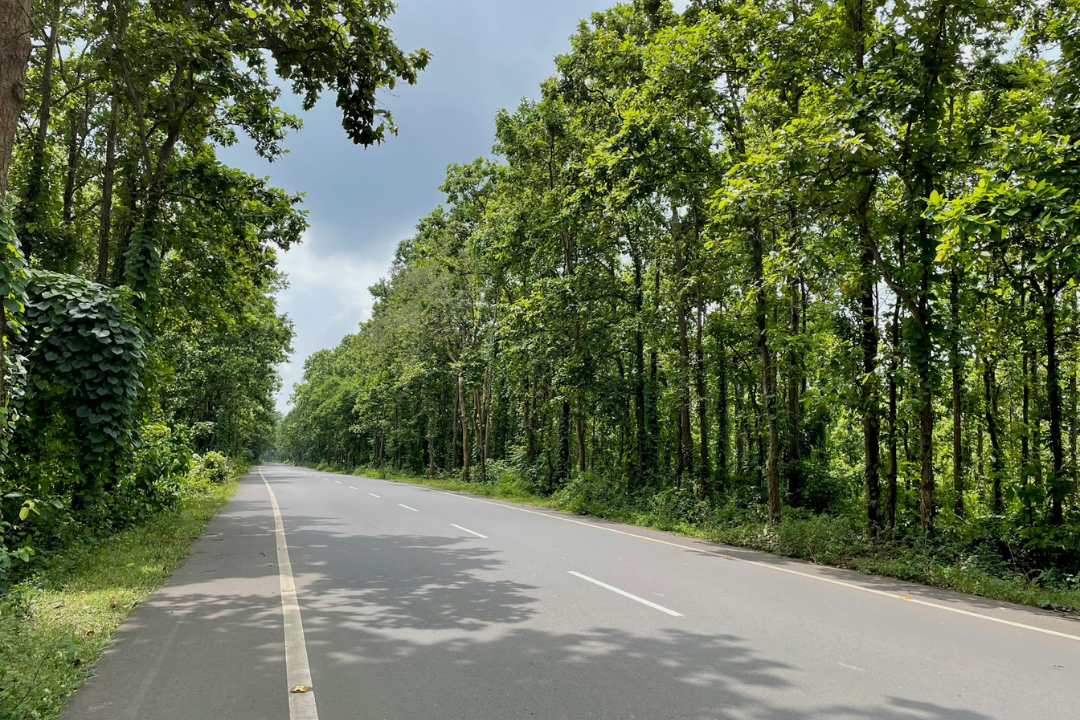
The Western Ghats in July and August are a landscape transformed waterfalls cascading from every cliff, rivers running fast and brown, the forests so dense and green they seem to press against the road. The coastal villages are quiet. The seafood is extraordinary. And the drive itself one of India’s great road trips reveals aspects of itself that the tourist season keeps hidden.
This is how to do it properly.
The Route
Total distance: Approximately 600 km Recommended duration: 4 to 5 days Best months: July and August
Day 1: Mumbai to Kashid 170 km
Leave Mumbai early before the city wakes up. Take the coastal road through Alibaug rather than the expressway. The ferry from Gateway of India to Mandwa cuts the drive beautifully and deposits you into a quieter Maharashtra immediately.
Kashid Beach in monsoon is a revelation the crowds gone, the sea rough and dramatic, the casuarina trees bending in the wind. It is not swimming weather. It is sitting-on-the-verandah-with-chai weather, which is better.
Lunch stop: Any local Malvani restaurant in Murud for sol kadhi, kolambi bhaat, and the freshest pomfret you have eaten.
Stay: MTDC Resort Kashid simple, beachfront, exactly right.
Day 2: Kashid to Kolhapur 200 km
This is the day the Ghats begin. The road rises from the coast and enters a landscape of sugarcane fields and ancient temples and small market towns where time moves differently.
Kolhapur is one of Maharashtra’s great underrated cities a royal town with a magnificent palace, a wrestling tradition that produces national champions, and a cuisine (Kolhapuri mutton, tambda rassa, pandhra rassa) so good it has its own category in Indian food.
Don’t miss: The Mahalaxmi Temple at dawn, the old town market for Kolhapuri chappals made to measure, and the evening at the wrestling akhada if you can arrange it.
Stay: Opal Hotel or the Shalini Palace Hotel the latter is a converted royal guesthouse with genuine old-world character.
Day 3: Kolhapur to Amboli 80 km
Amboli is a hill station in the southern Sahyadris that most people drive past on the way to Goa. Stop.
During monsoon, Amboli receives some of the heaviest rainfall in Maharashtra and the result is a landscape of extraordinary waterfalls, including Amboli Falls, which drops 690 feet through forested gorge. The Hiranyakeshi river originates here. The Amboli Ghat itself, driving up through the clouds, is one of the great drives in the Western Ghats.
Stay: Aavishkar Resort small, comfortable, right in the forest.
TravelNode Insider: Walk to the Amboli sunset point at dusk the clouds roll in from the Arabian Sea below you, and for a few minutes, you are above the weather.
Day 4: Amboli to Goa 100 km
The final stretch descends from the Ghats into Goa through some of the most beautiful landscape on the drive forested hills, small rivers, villages that seem untouched by the twenty-first century.
Arrive in North Goa and resist the beach hotels. Instead, head inland to the villages of Assagao, Aldona, or Moira where old Portuguese houses sit among rice fields and the pace of life slows to something genuinely restorative.
Lunch: Fisherman’s Wharf in Cavelossim for monsoon Goan seafood the crab xacuti and prawn balchão are non-negotiable.
Stay: The Elsewhere by Assagao a beautifully restored Portuguese villa with a garden that feels, in monsoon, like a private rainforest.
Day 5: Goa Stay, Breathe, Belong
Monsoon Goa asks nothing of you. The beaches are empty. The shacks are closed. The music has stopped. What remains is the actual place the old churches in the rain, the spice plantations at their most fragrant, the backwaters of Divar Island where egrets stand in flooded fields at dusk. Hire a scooter. Get lost. Find a small restaurant run by a Goan family. Order whatever they’re making. This is the best version of Goa, and almost nobody comes for it.