The TravelNode Stories
Real places. Real experiences. No sponsored fluff written by travellers who know what the guidebooks miss.
Stories
Every destination has a version the guidebooks miss. We find it for you.
There are two states in India’s northeast that most Indians could not place on a map, that require a permit to enter even for citizens, and that together hold more distinct tribal cultures than most countries manage in their entirety. Nagaland and Arunachal Pradesh are difficult to reach, slow to
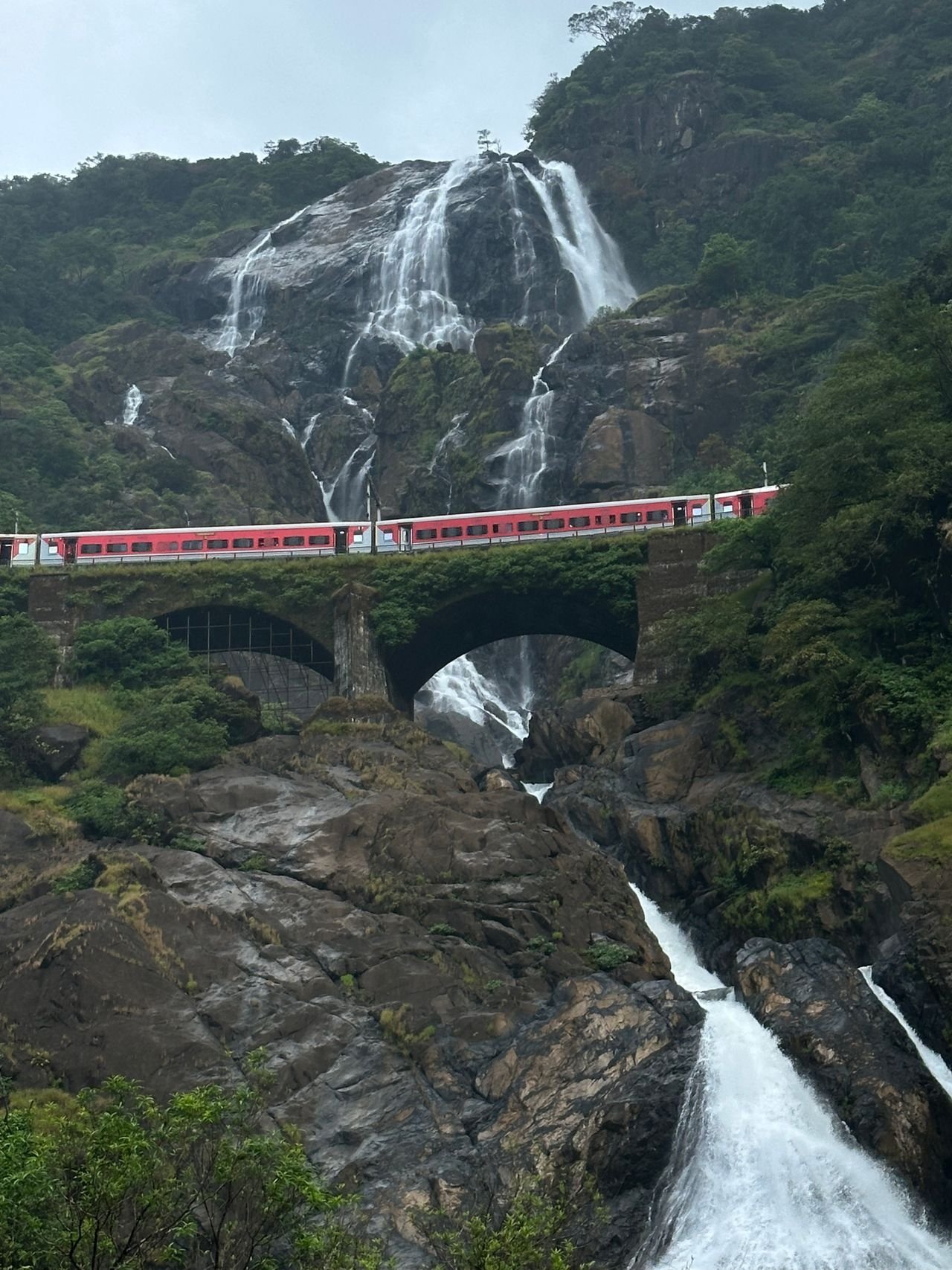
India runs one of the largest rail networks on earth, and most of it exists to get people from one place to another as efficiently as possible. A handful of routes do something else. On these, the journey is not the cost of the destination. It is the reason to
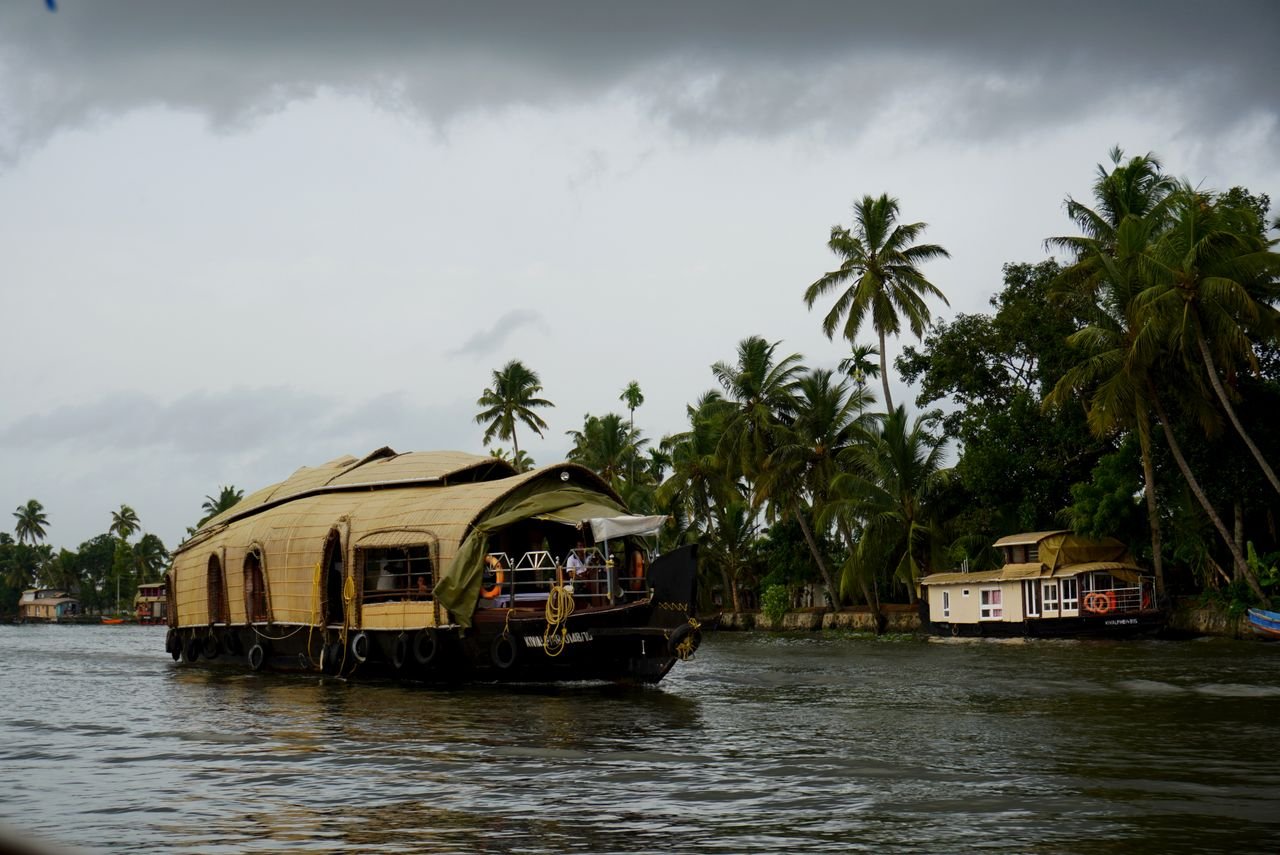
Kerala has a peak season and it runs from December to February, when the weather is dry, the rates are highest and the backwaters are busy. It is a perfectly good time to visit. It is also not the time Kerala looks its best. The southwest monsoon finishes with the
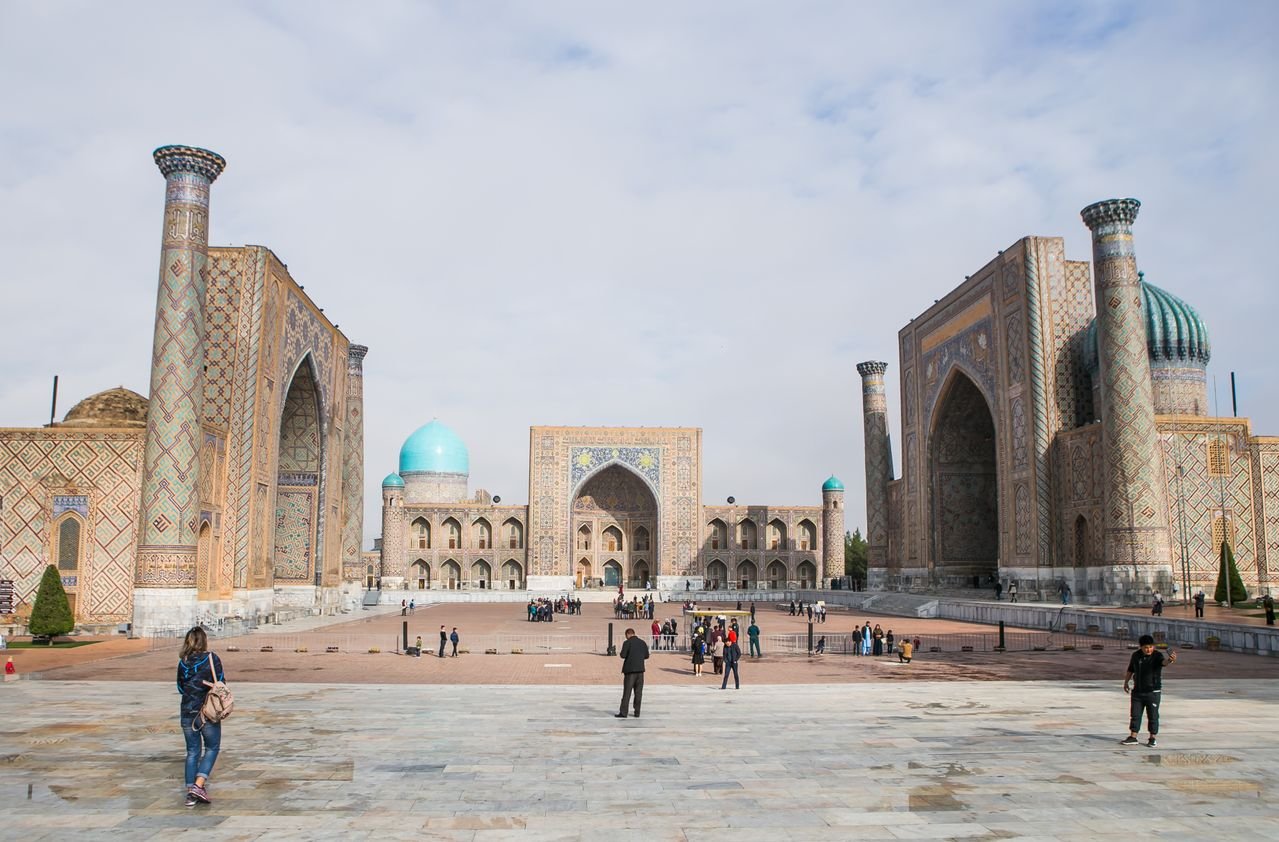
The founder of the Mughal empire was born in a valley in eastern Uzbekistan. Babur left Fergana as a teenager, spent years trying and failing to hold Samarkand, and eventually turned south towards India instead. Most Indians know the empire he built. Very few have seen the country he came
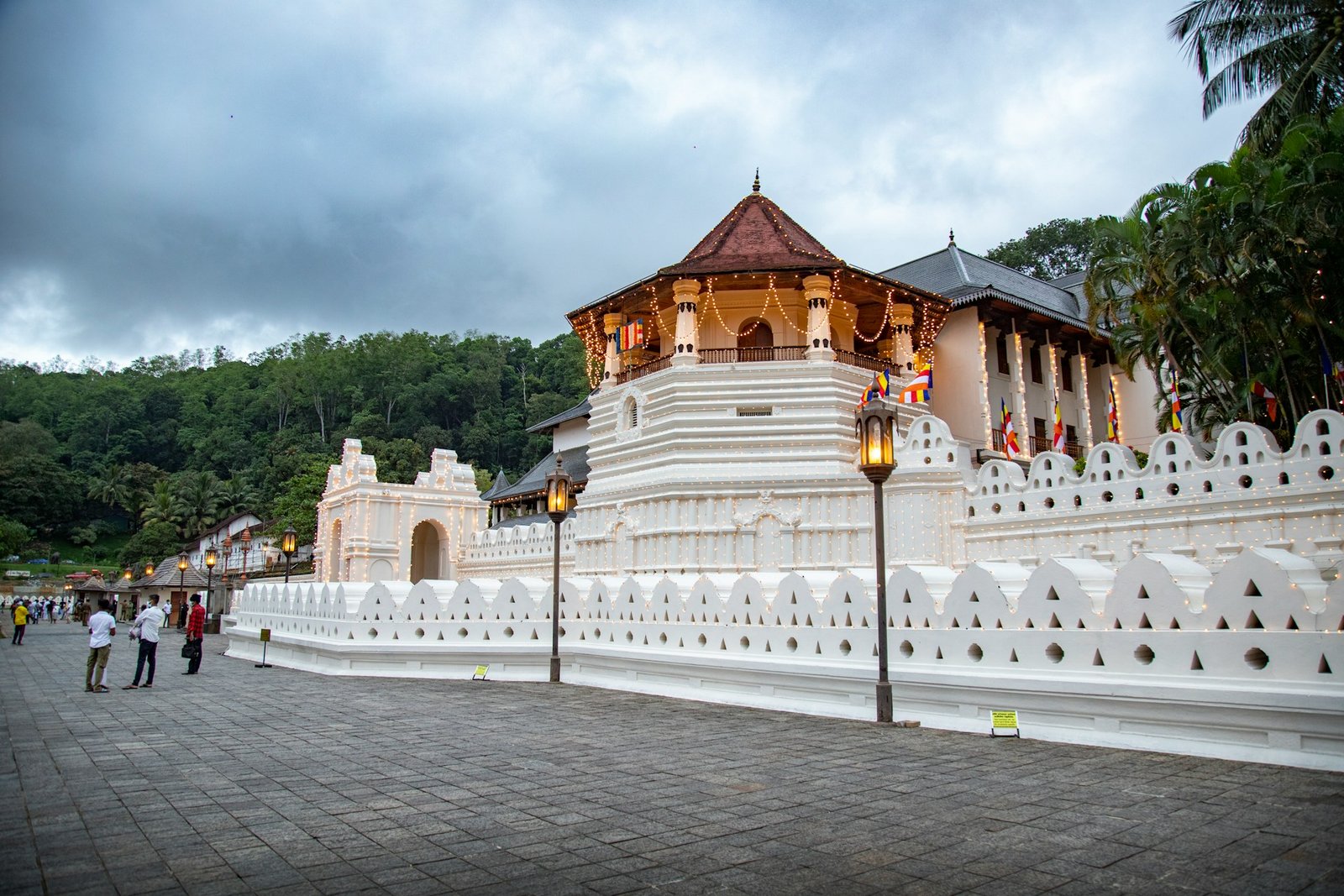
There is a stretch of central Sri Lanka, roughly a triangle drawn between three ancient capitals, that holds more UNESCO World Heritage Sites per square kilometre than almost anywhere else in Asia, and most first time visitors to the island still spend their entire trip on its beaches without ever
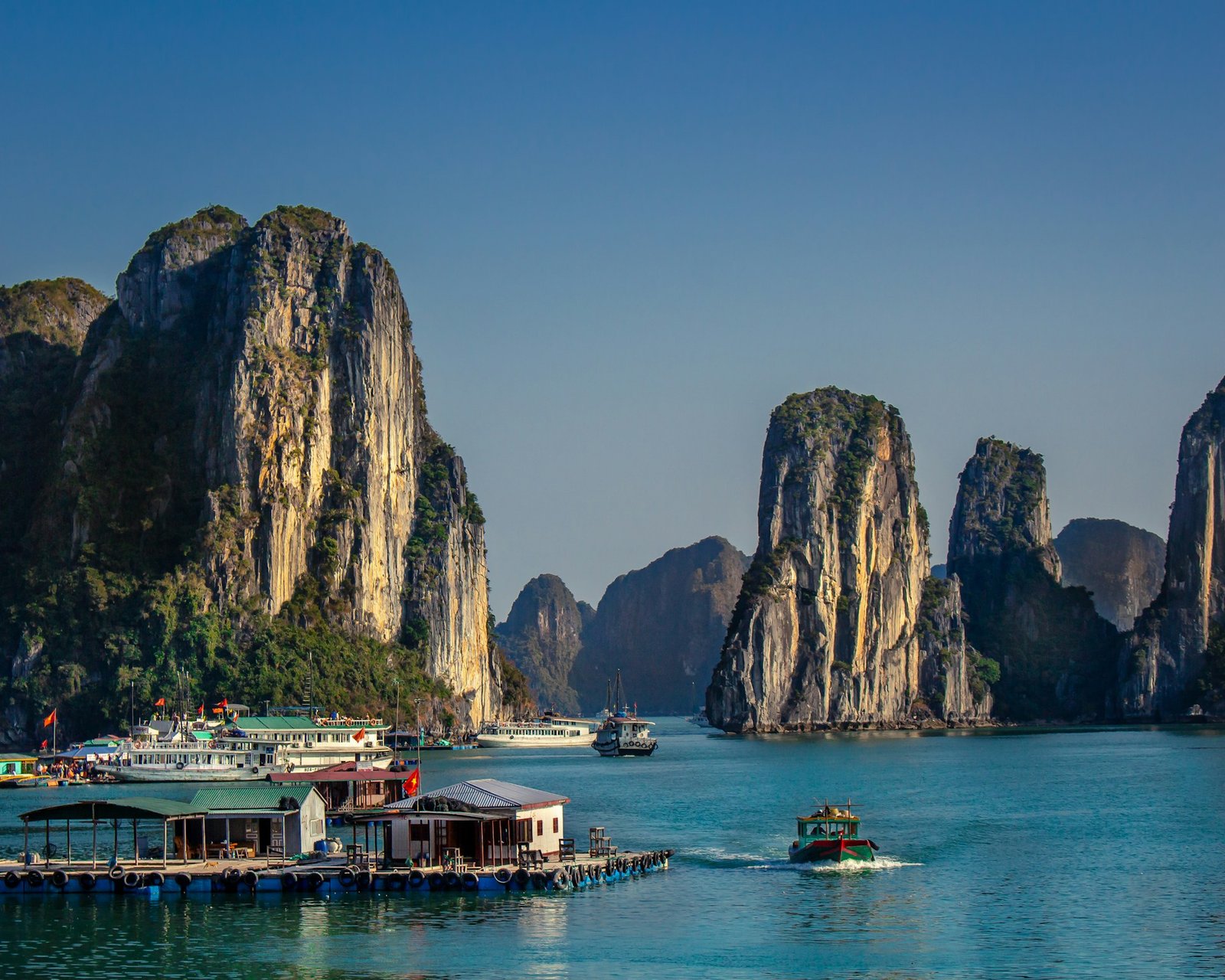
Vietnam stretches over 1,600 kilometres from north to south, curved along the South China Sea like a long, narrow question mark, and that shape is the first thing worth understanding before planning a trip there. A country this elongated does not have one climate or one character. It has three,
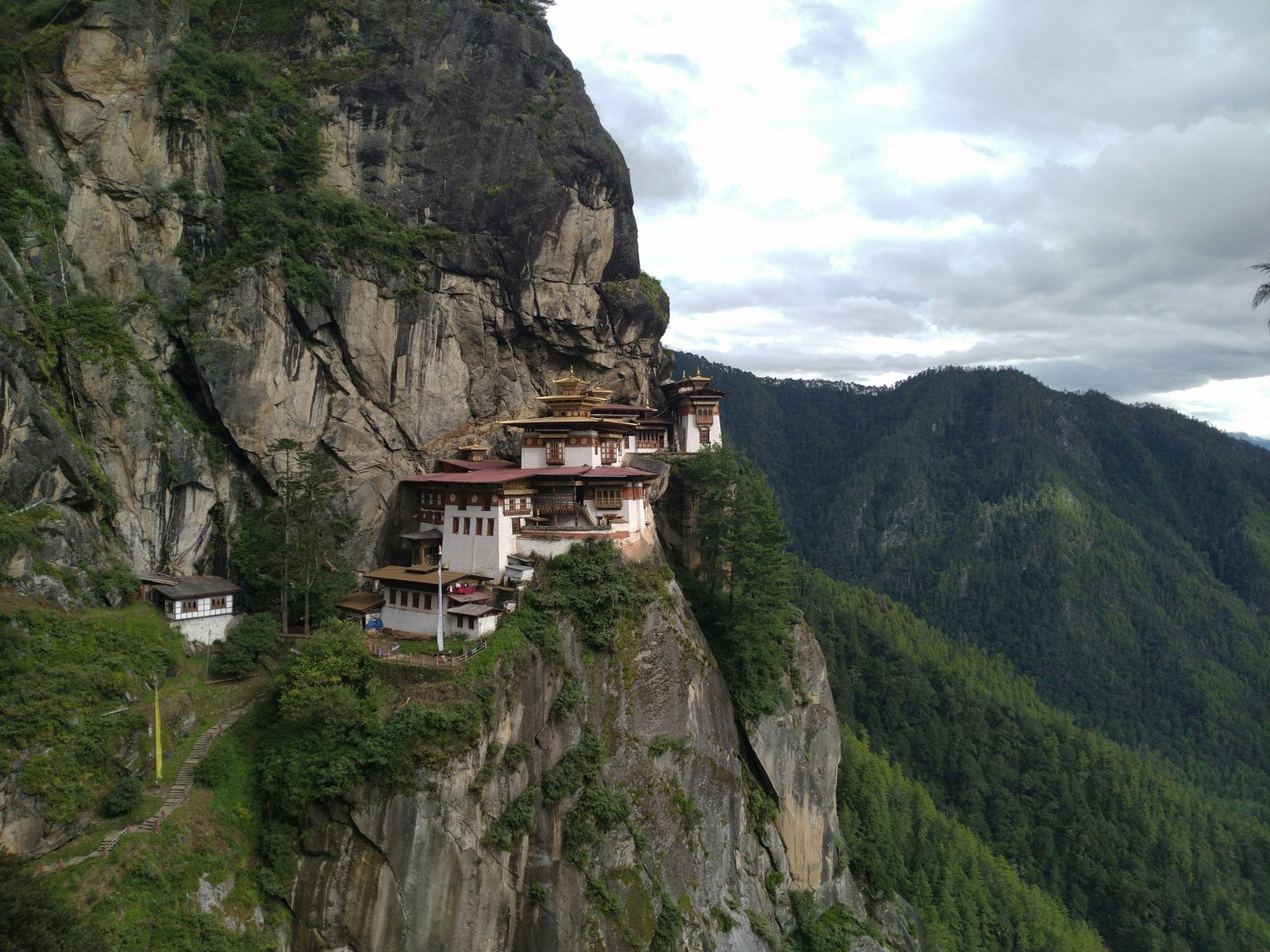
Bhutan is the only country on earth that has built its entire tourism policy around a single, deliberately blunt idea. Rather than chase as many visitors as possible, it charges every international tourist a nightly fee designed to keep numbers low and impact lower, a philosophy the government calls High
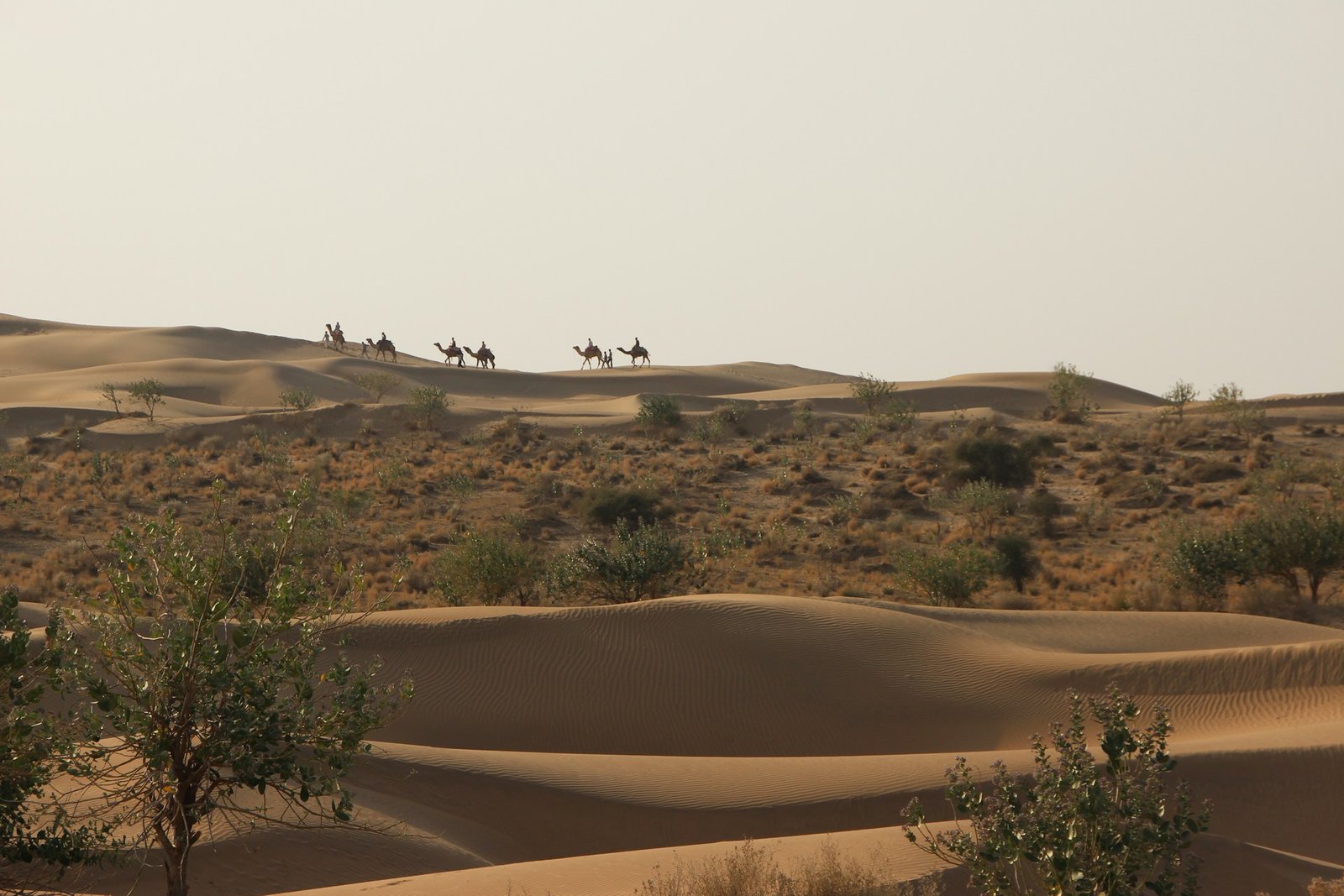
Most fort cities in India have been museum pieces for centuries, their ramparts preserved behind ticket counters while the actual living city moved elsewhere long ago. Jaisalmer never got that memo. Roughly three thousand people still live, cook, trade, and sleep inside the walls of Jaisalmer Fort, making it one
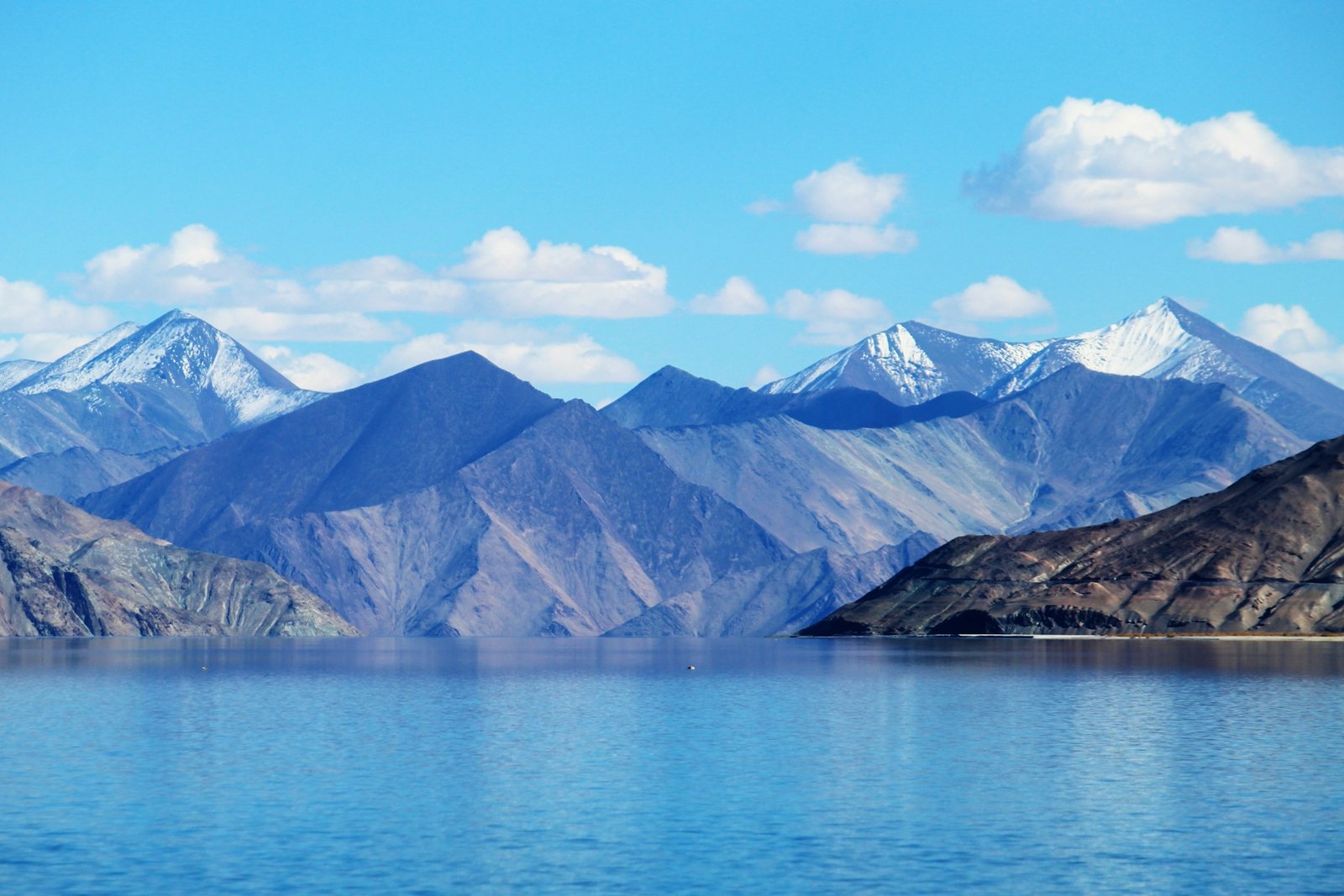
Ladakh spends most of the year looking like the surface of another planet. Bare brown mountains, a sky so thin and blue it looks over saturated, and valleys so dry that the whole region is officially classified as a high altitude cold desert. Then, for a handful of weeks in
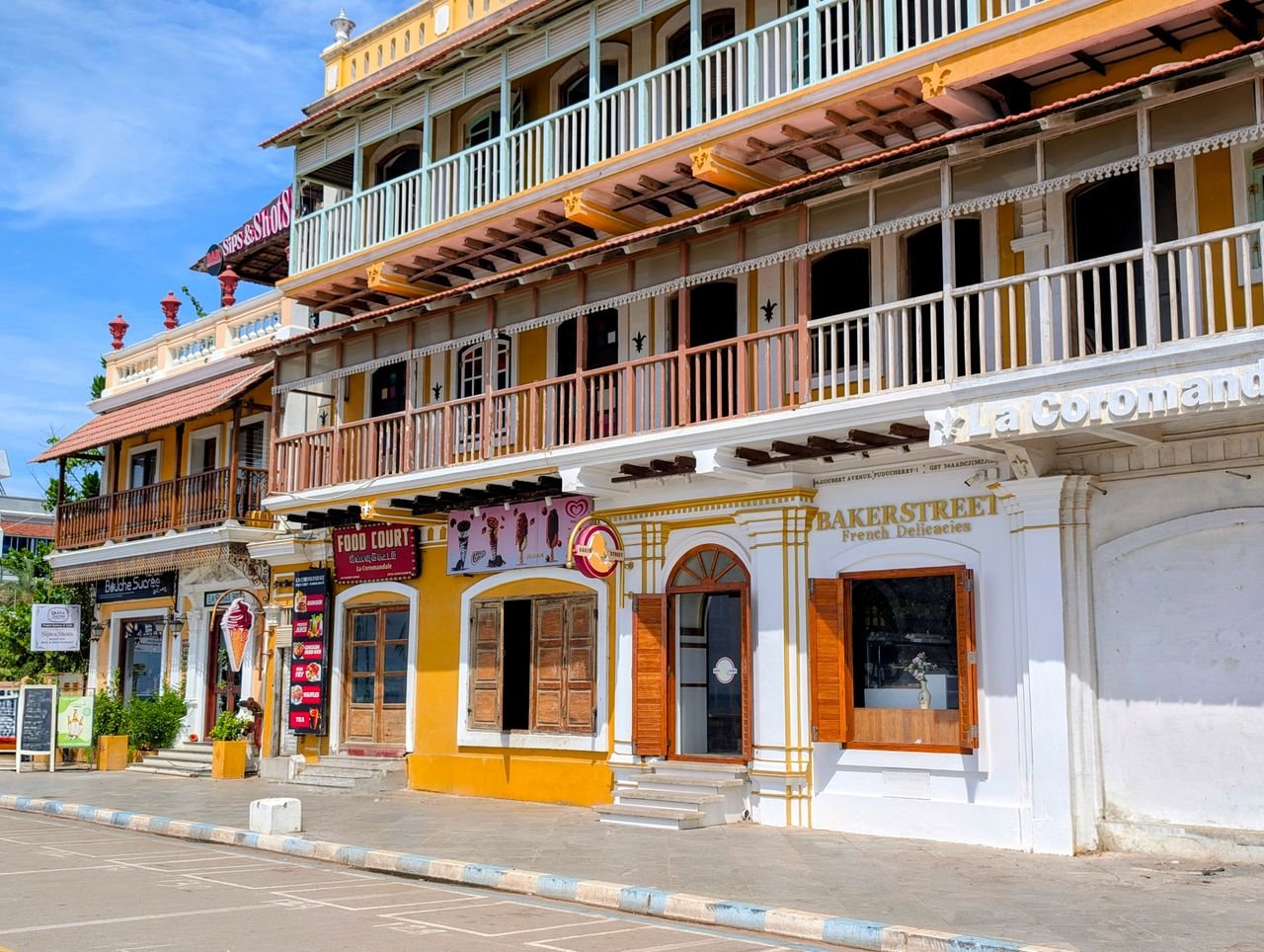
There is a strip of India’s eastern coastline where the street signs are still in French, the buildings are painted mustard yellow and white by heritage law, and the whole town smells faintly of fresh bread in the morning and the Bay of Bengal by evening. Pondicherry, officially Puducherry, spent
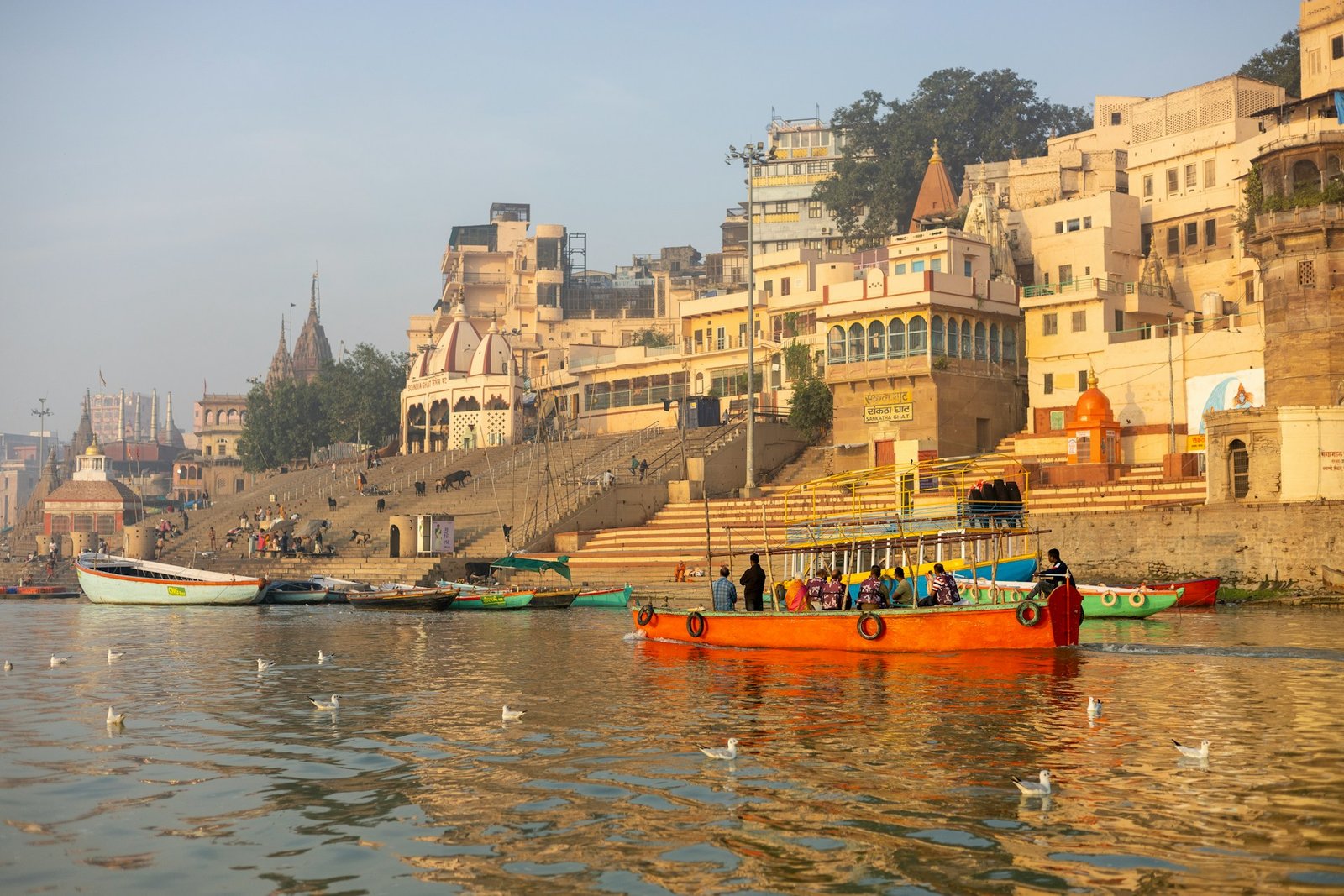
Mark Twain, visiting in the nineteenth century, wrote that Varanasi was older than history, older than tradition, older even than legend, and looked twice as old as all of them put together. He was not exaggerating for effect. Varanasi, also called Kashi or Banaras, is among the oldest continuously inhabited
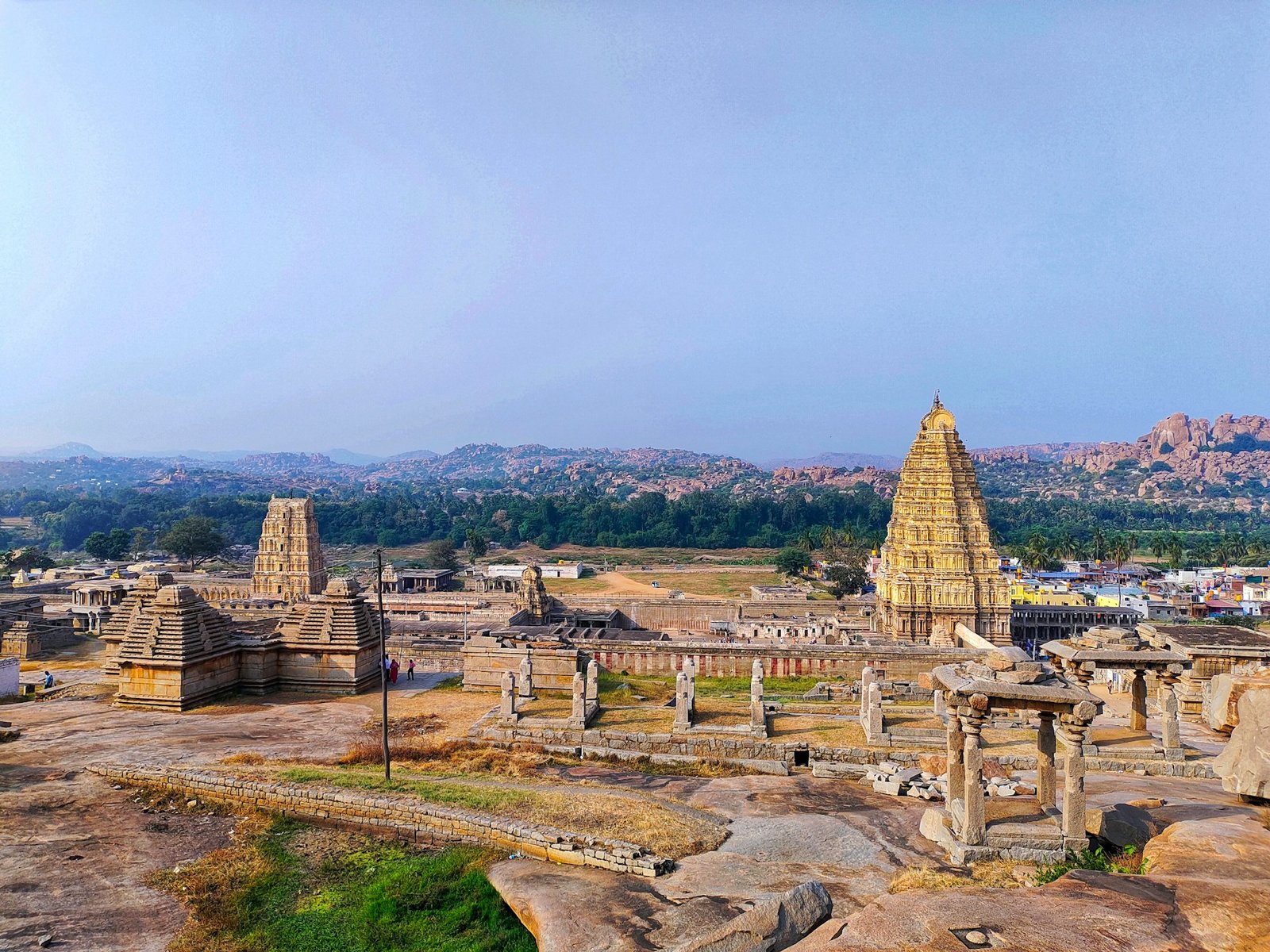
In the year 1500, a city on the banks of the Tungabhadra river in what is now Karnataka was, by most estimates, the second largest city on earth, smaller only than Beijing. Its markets traded in diamonds, pearls, Persian horses, and fine silk. Portuguese and Persian travellers who visited wrote