
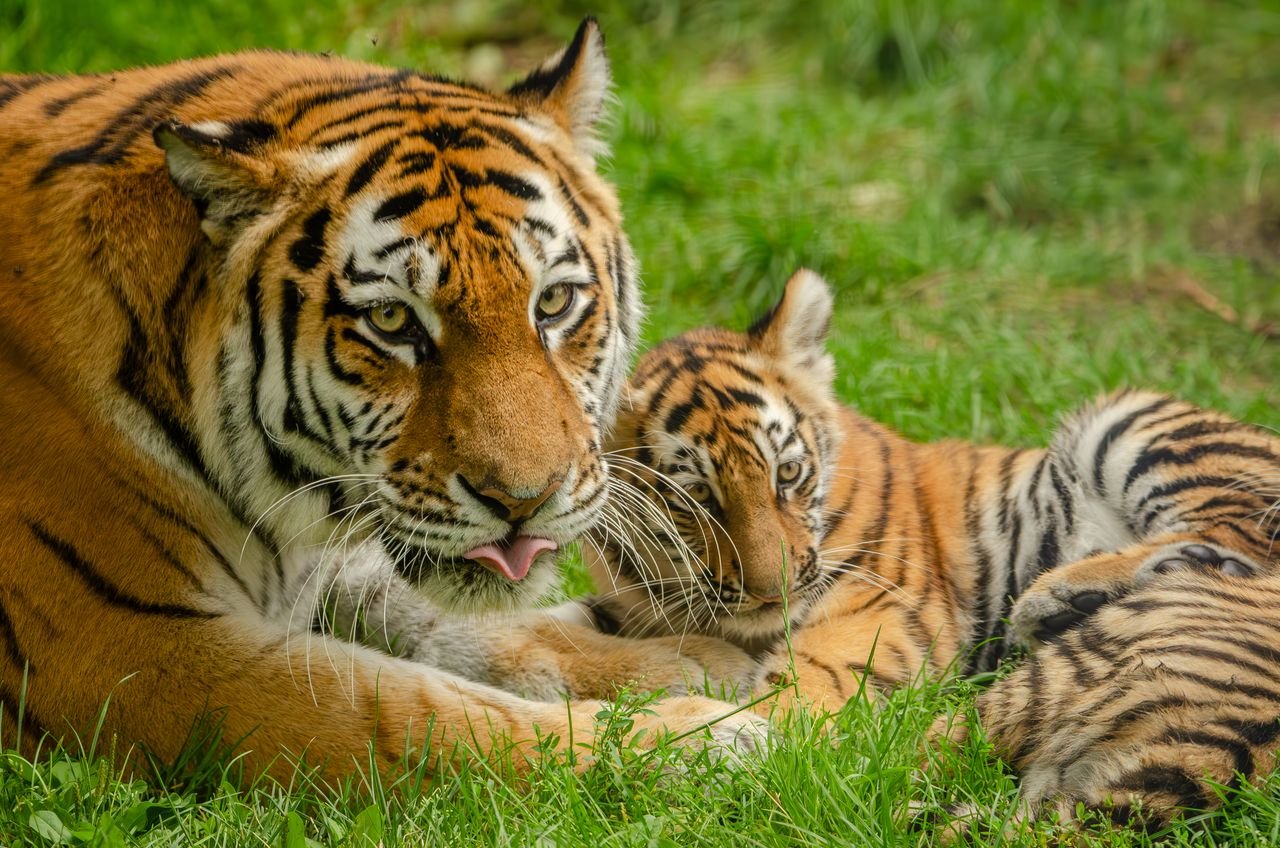
Half a century ago, India was on the verge of losing its most iconic animal. In 1972 a census delivered a shock, only around 1,800 tigers remained in a country that had once counted them in the tens of thousands. What happened next is one of the greatest conservation stories on earth, and today it means India offers wildlife experiences that rival anywhere on the planet. If you know where to look, you can stand within sight of creatures that almost vanished from the world.
The tiger’s return
The turning point came on the first of April 1973, when Prime Minister Indira Gandhi launched Project Tiger with just nine reserves. The approach was strict and simple, core zones with zero human activity, villages relocated with compensation, anti-poaching patrols, and protection of the deer and wild pigs that tigers depend on for food. Scientific monitoring followed every four years using camera traps and, later, DNA analysis.
The results speak for themselves. From that low of 1,800, India’s tiger numbers climbed to 2,226 in 2014, then 2,967 in 2018, and reached 3,682 in the 2022 census. India is now home to around three-quarters of all the wild tigers left on earth.
For the best chance of actually seeing one, the central Indian reserves are hard to beat. Corbett National Park in Uttarakhand, India’s oldest national park established in 1936 and the first Project Tiger reserve, holds the highest tiger count of any single reserve. Bandhavgarh and Kanha in Madhya Pradesh offer some of the most reliable daytime sightings, the open sal forests and meadows giving you a real chance where denser parks hide their cats. Kanha carries a literary bonus too, its forests are widely cited as an inspiration for Rudyard Kipling’s Jungle Book.
Kaziranga and the one-horned rhino
If the tiger is India’s comeback story, the greater one-horned rhino is its quiet triumph. Nearly hunted to nothing in the early twentieth century, the species now numbers in the thousands, and the single greatest stronghold is Kaziranga National Park in Assam.
The most recent rhino census at Kaziranga counted 2,613 animals, an increase of 200 over the previous survey. That single park holds around seventy per cent of the entire world’s population of this species. Rhinos here are so abundant that visitors frequently spot them from the highway that runs past the park, grazing in the tall grass of the Brahmaputra floodplain.
Kaziranga, a UNESCO World Heritage Site, is not only about rhinos. It shelters India’s big five, the rhino, Asian elephant, wild water buffalo, Bengal tiger and common leopard. It holds one of the highest tiger densities anywhere in the world, though the tall grass makes the cats difficult to see. It also supports the largest population of wild water buffalo on the planet, and nine of the fourteen primate species found in the Indian subcontinent, including the rare hoolock gibbon, India’s only ape.
Beyond the headliners
India’s wild spaces reward the traveller who looks further. The Sundarbans, a UNESCO site straddling India and Bangladesh, is the world’s largest mangrove forest and home to the only tigers on earth adapted to swim through salt water. In the high trans-Himalaya, Hemis National Park in Ladakh is one of the best places anywhere to search for the elusive snow leopard. And in 2022, India began Project Cheetah, reintroducing the cat to Kuno National Park in Madhya Pradesh, decades after it went extinct on Indian soil.
The traveller’s takeaway
What makes Indian wildlife special is not just the animals but the story behind their survival. Every rhino you see in Kaziranga, every tiger that crosses your path in Bandhavgarh, is the result of a country deciding, at the last possible moment, that these creatures were worth saving. To witness them now is to witness a rescue in progress. Go with a good naturalist, respect the forest’s rules, and give yourself more than one safari, because the wild keeps its own schedule.
Our members get the reserve-by-reserve guides, the best zones, the right season, and the lodges worth booking. See India wild, with TravelNode.