
For most of the year it is water. A vast shallow marsh on the Gujarat border where the Arabian Sea pushes inland during the monsoon and turns several thousand square kilometres into an unusable expanse of salt water and mud.
Then it dries. And what is left, from about November onward, is a flat white crust of salt stretching to every horizon, so featureless and so bright that the sky becomes the only thing with any detail in it. There is nothing else in India that looks remotely like it.
Going at full moon
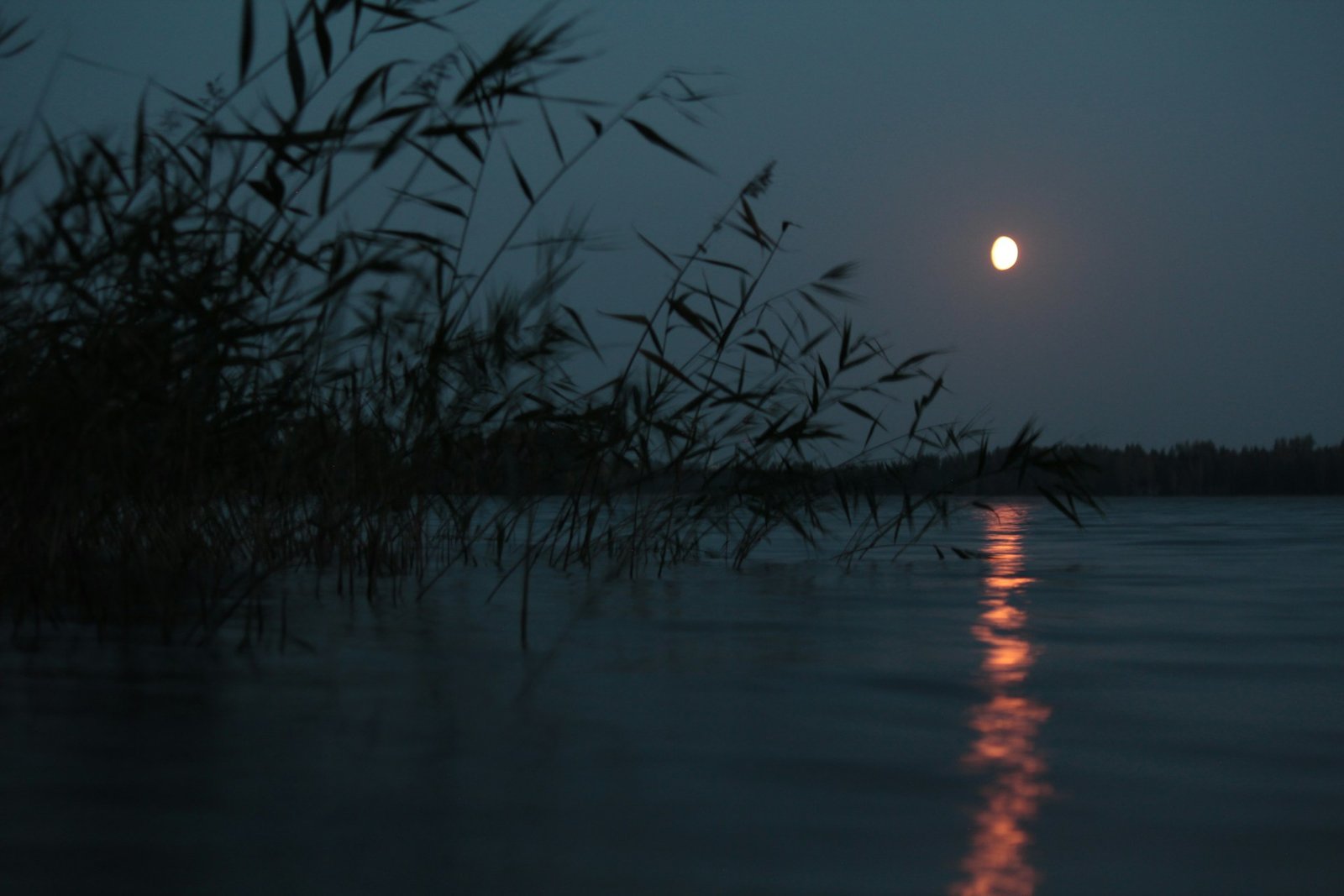
The Rann is worth seeing by day. It is a different proposition entirely on a full moon night, when the salt reflects the light and the whole surface glows pale blue in every direction, and you can see your own shadow at midnight.
This is not a secret and the full moon weekends fill accordingly. If you want them, plan several months out. If you would rather have the place to yourself, come on any other night and accept a darker Rann in exchange for silence.
Rann Utsav, and whether you want it
Gujarat Tourism runs a large tent city at Dhordo through the season, usually from around November to February or March. It is comfortable, organised, and includes cultural performances, craft stalls and camel rides.
It is also a tent city with several hundred tents in it. Some travellers love the arrangement and some find that it puts a festival between them and the desert. Smaller independent camps and homestays exist in the surrounding villages and are quieter, simpler and considerably cheaper.
The craft villages
Kutch is one of the finest textile regions in the world and the villages within an hour of Bhuj are the reason many people come back. Ajrakhpur for block printing with natural dyes. Nirona for rogan art, a painting technique using boiled castor oil that a single family has kept alive. Bhujodi for weaving. Hodka and Ludiya for embroidery and mud houses with mirror inlay.
Buying directly from the artisans in these villages costs less than a city boutique and the money goes where it should.
Beyond the salt
Kalo Dungar, the Black Hill, is the highest point in Kutch and gives you the only elevated view of the Rann. Dholavira, on an island in the Rann, is one of the largest Harappan sites anywhere and a UNESCO World Heritage Site, and it is startlingly little visited for what it is.
The Little Rann to the south is a different landscape and holds the last wild population of the Indian wild ass.
What nobody tells you
The Great Rann sits close to the Pakistan border and a permit is required. It is issued at Bhirandiyara on the way in, takes a few minutes, and needs photo identification for every person in the vehicle. Carry originals, not photographs on a phone.
Bhuj is the base and it is about an hour and a half from Dhordo. Flights reach Bhuj from Mumbai and Ahmedabad, and the road from Ahmedabad takes roughly seven hours.
December and January nights get genuinely cold, close to single digits, while the middle of the day stays warm. The light on the salt is punishing, so sunglasses are not optional.
And the Rann is closed to visitors during the monsoon for the obvious reason that it is underwater.