
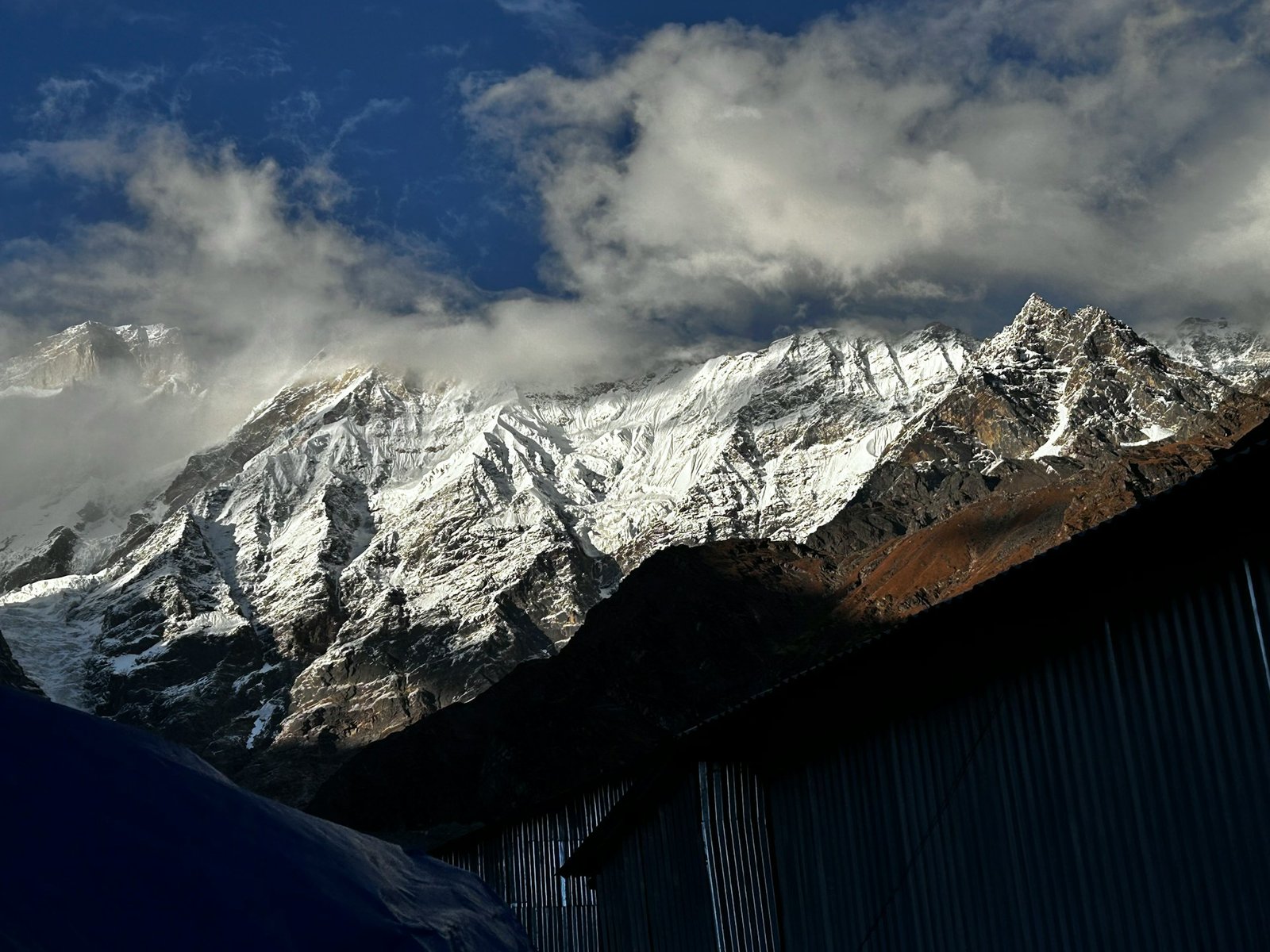
The Char Dham yatra in Uttarakhand, comprising Yamunotri, Gangotri, Kedarnath and Badrinath, is the most significant Hindu pilgrimage circuit in the Himalaya and one of the largest organised religious journeys in the world. Around five to six lakh pilgrims complete some or all of it in the season between May and November each year.
This article is not a spiritual guide. It is practical information for people who are planning to go, because the gap between what the popular accounts describe and what the journey involves is wide enough to cause real problems.
What the four dhams actually are
Yamunotri, at about three thousand two hundred metres, is the source of the Yamuna. The temple is accessible only on foot, a trek of roughly six kilometres from Janki Chatti, and is the least visited of the four. Gangotri, at roughly three thousand four hundred metres, sits near the source of the Ganges in the form of the Bhagirathi river. The actual glacier source, Gaumukh, is a further eighteen kilometres on foot and significantly harder.
Kedarnath, at about three thousand five hundred metres, is the most demanding of the four. The sixteen kilometre trek from Gaurikund can be done on foot, by pony or by helicopter. The temple sits above the tree line and is one of the twelve Jyotirlingas. It was severely damaged in the 2013 floods, among the worst natural disasters in Uttarakhand’s recorded history. The reconstruction since then has changed its immediate surroundings significantly.
Badrinath, at about three thousand one hundred metres, is the only one accessible by road. The Vishnudhaman complex holds one of the four Vaishnava Char Dhams as well as one of the Uttarakhand four, and it receives the most visitors of the group.
The practical reality
The season is May to October or early November. The temples close for winter and the dates are announced each year based on the almanac. Kedarnath closes first, usually in October, and Badrinath last.
Since 2022, a registration system has been in place that requires all pilgrims to register online before the yatra. Walk-ins at certain checkpoints can be turned back if the daily count has been reached. This has reduced the worst overcrowding but the system should be checked for the current year because the rules have changed multiple times.
Helicopter services to Kedarnath operate from Phata, Sitapur, Sersi, Guptkashi and Agastyamuni. They book out weeks ahead in the peak months of May, June and September. If the helicopter matters to the plan, it should be booked before anything else.
What nobody tells you
The road from Rishikesh to Badrinath, the National Highway 58 alignment, is among the most accident prone in the country. The traffic in season is heavy, the road is narrow, and landslides are common after rain. Allow considerably more time than mapping applications suggest.
Altitude medication is relevant from Kedarnath upward, more so for anyone flying to Dehradun and proceeding directly. Acclimatise in Rishikesh or Haridwar for at least a night before ascending.
The scene around the main temples in peak season is dense. The darshan queues at Kedarnath can run several hours without a priority ticket. Managing expectations around this in advance is kinder than discovering it on arrival.